Seeing Old St. Andrews One Detail at a Time
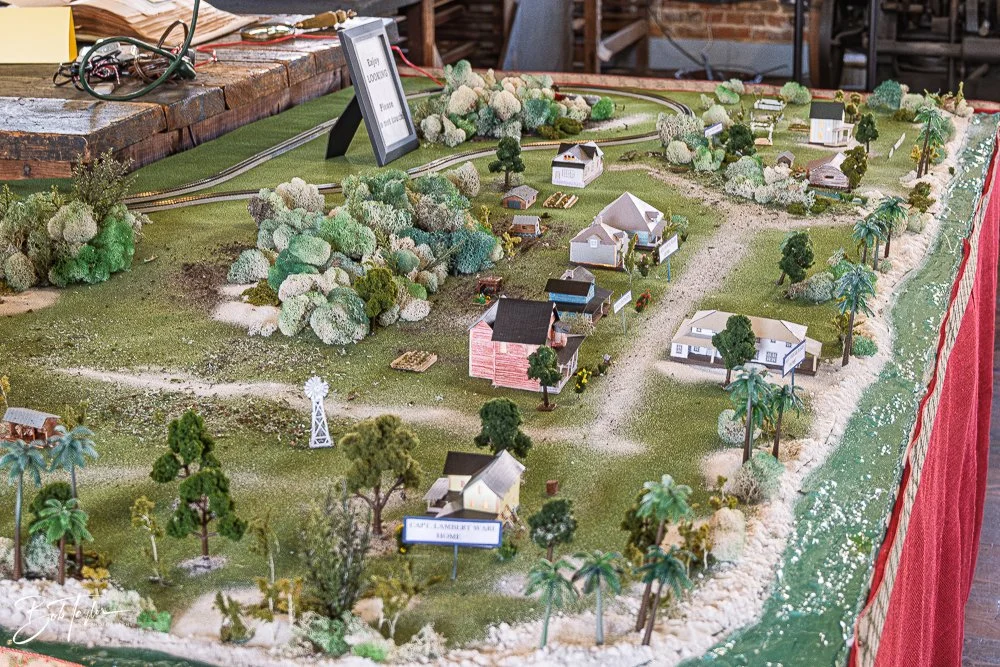
When I stepped into the Panama City Publishing Museum, I didn’t expect to find myself standing over St. Andrews as it looked a century ago—but that’s exactly what happened.
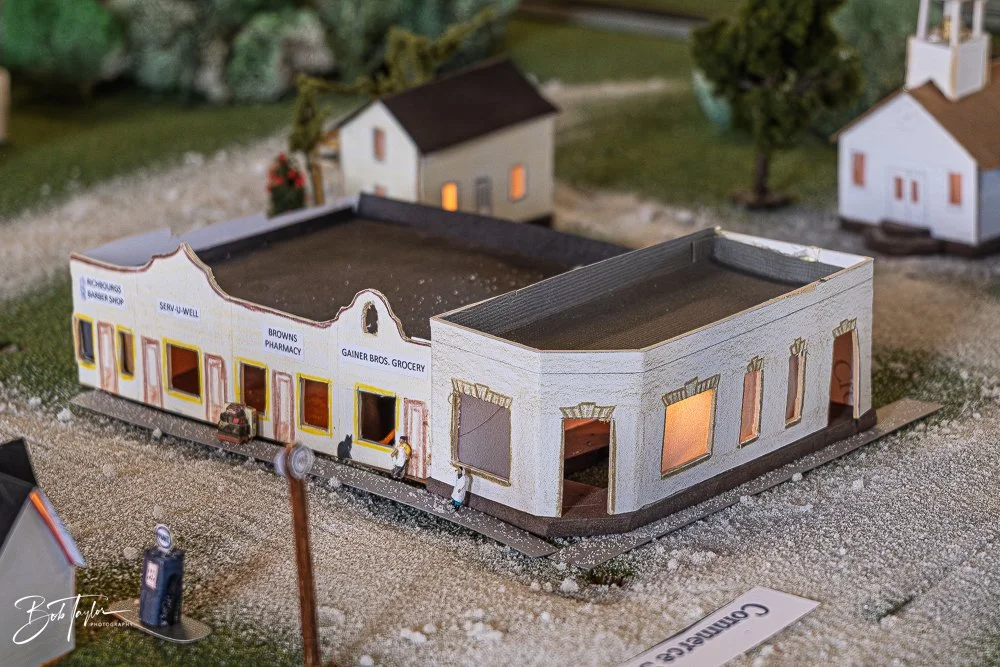
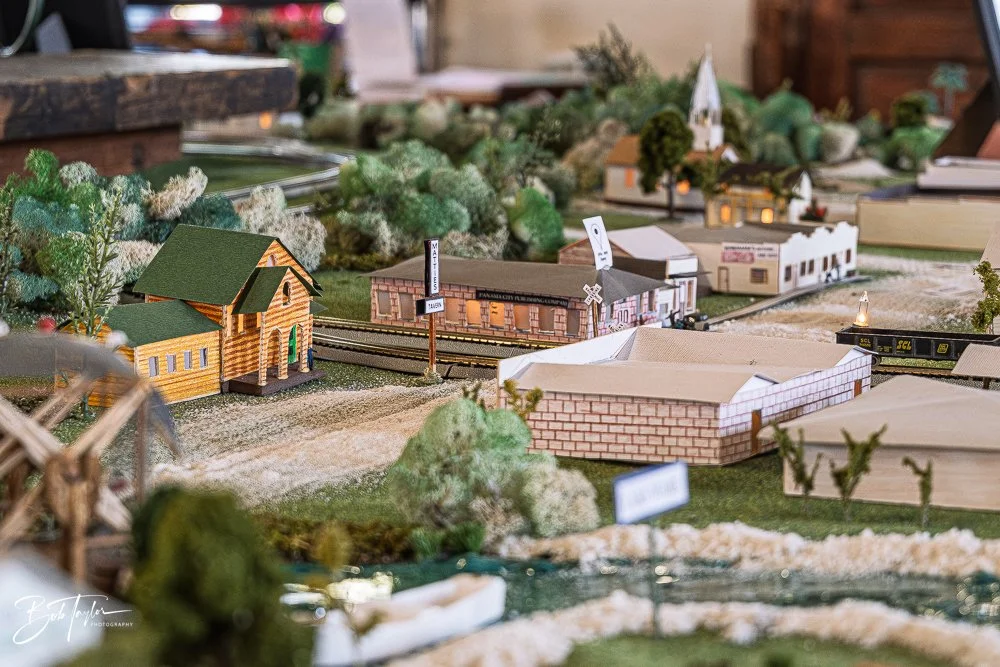
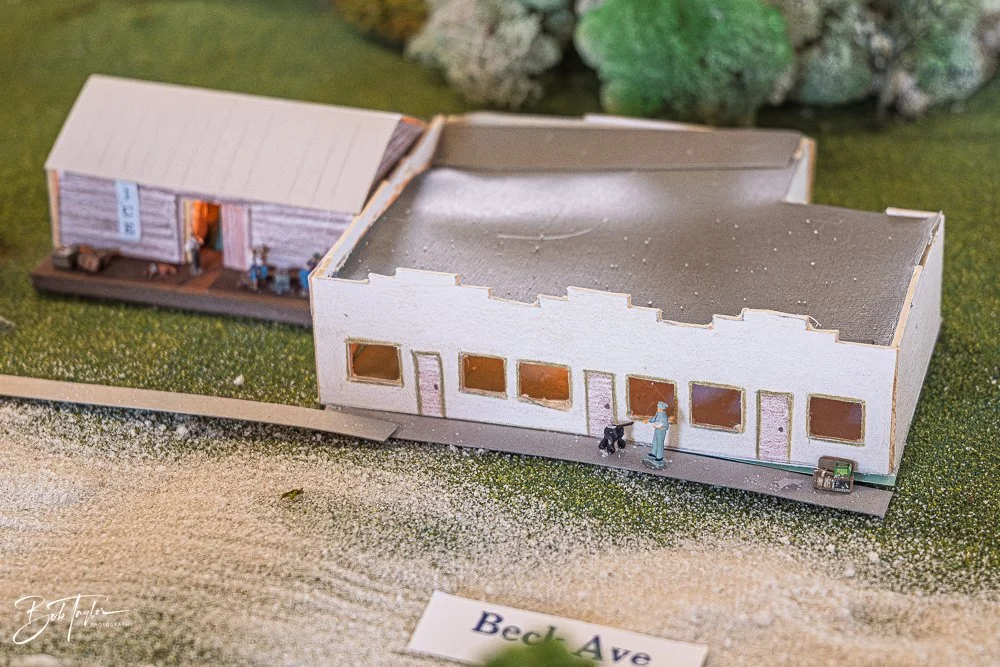
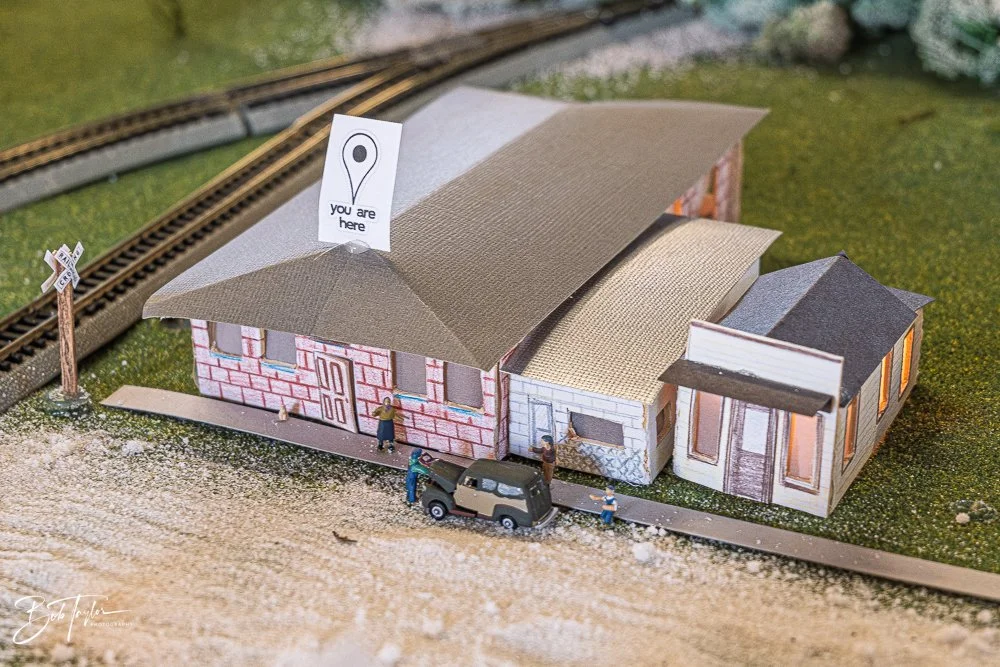
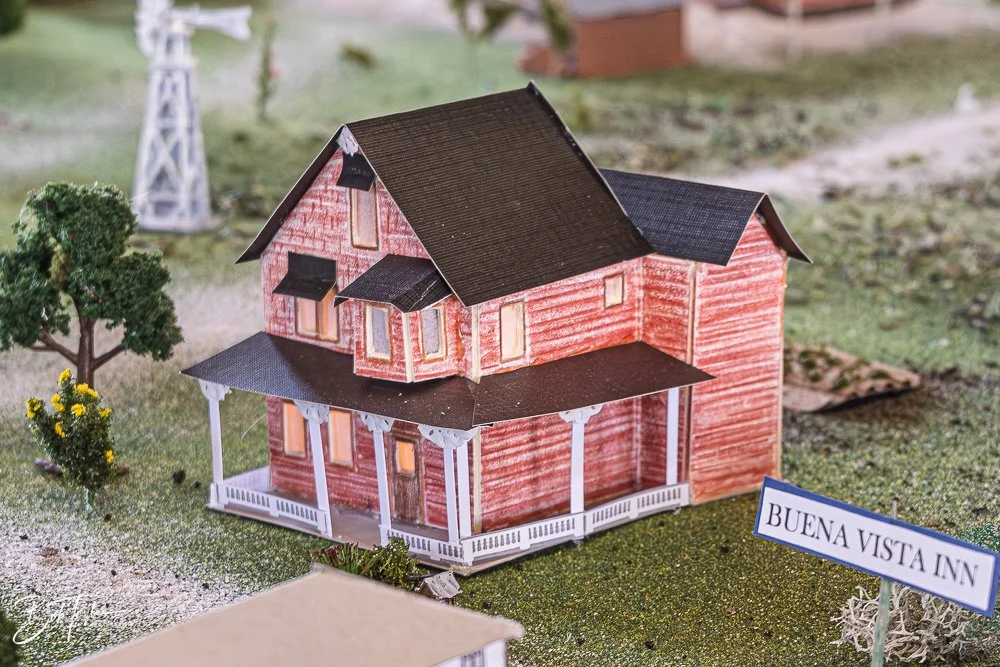
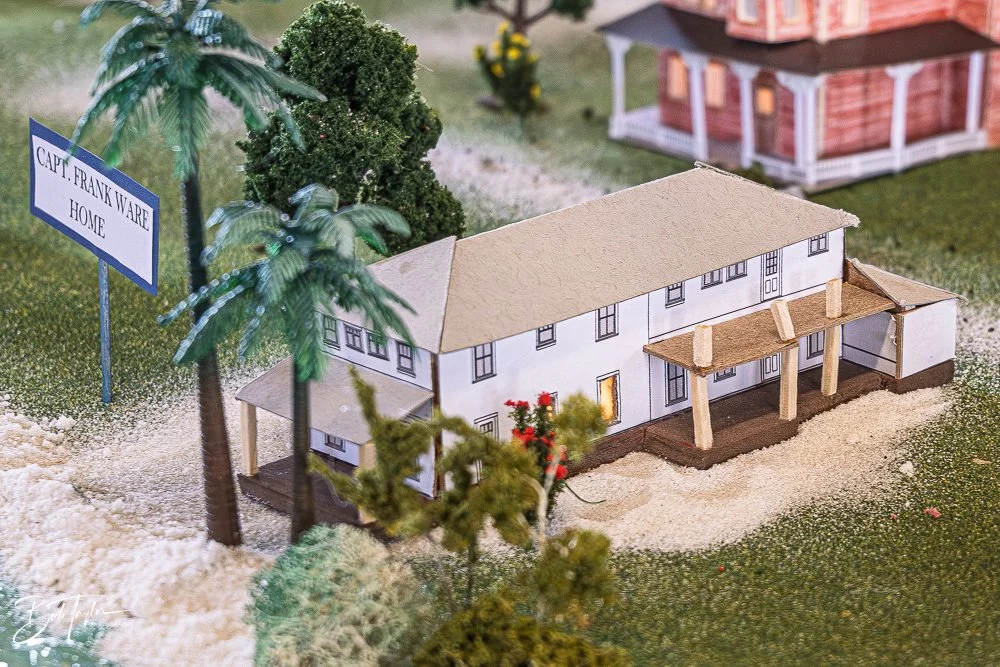
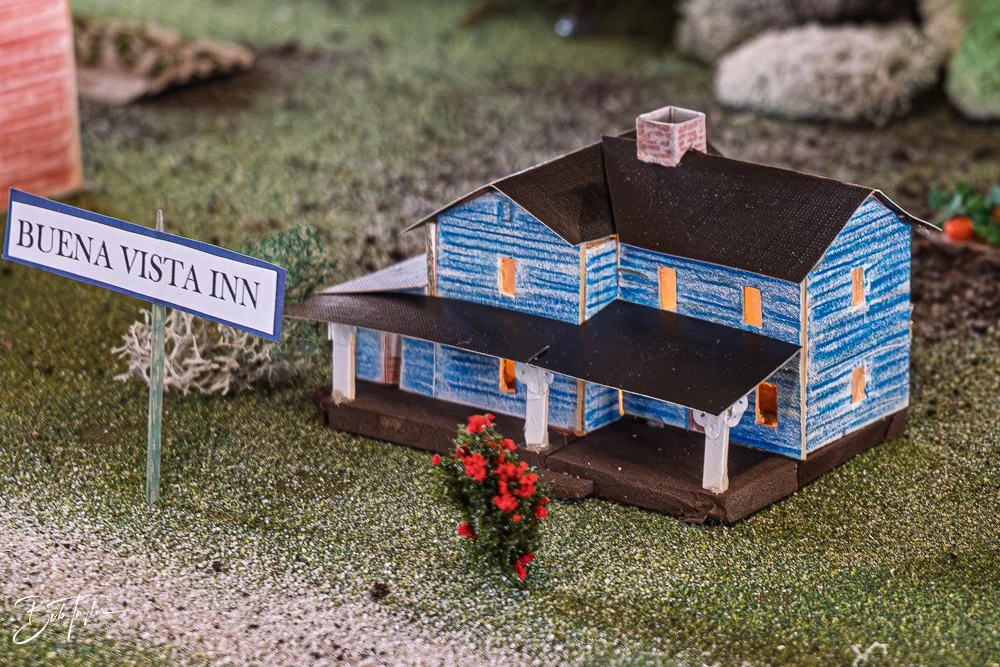
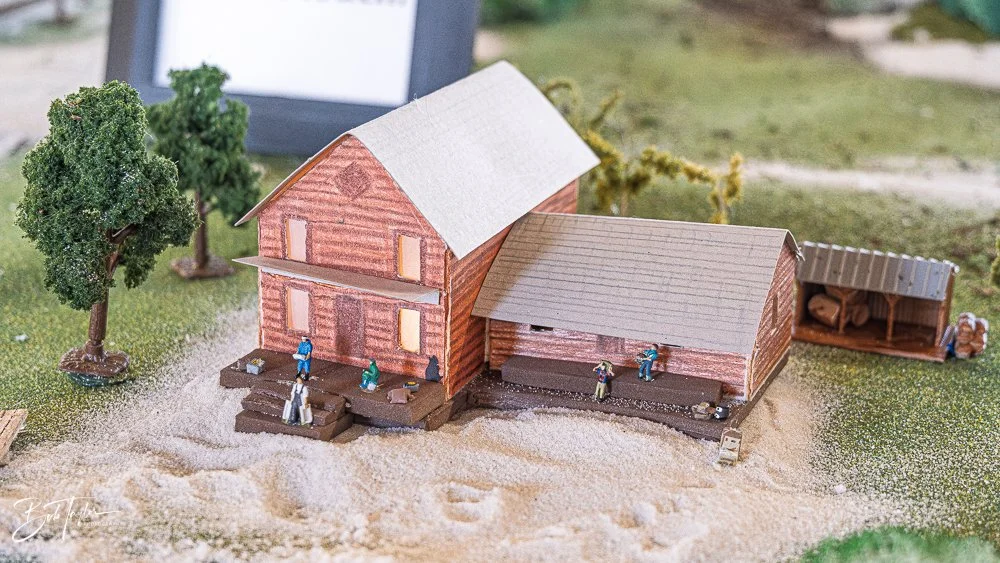
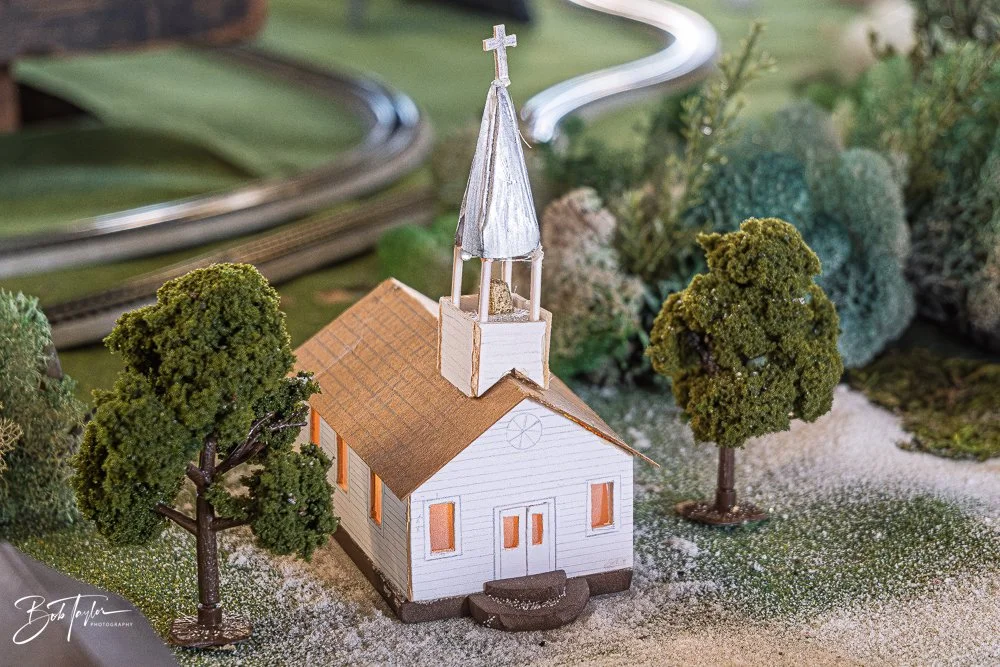
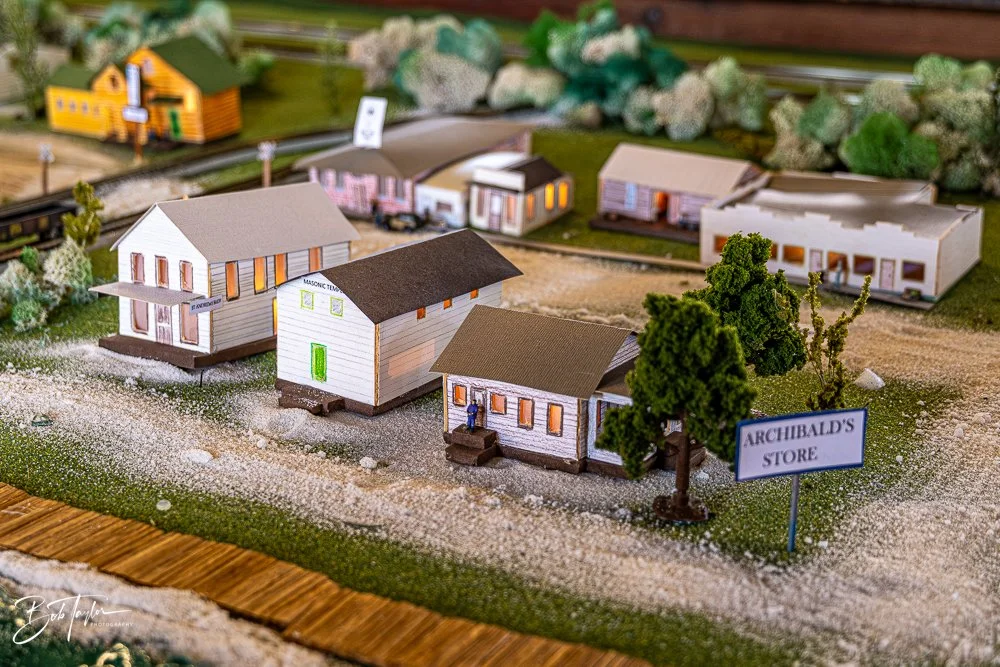
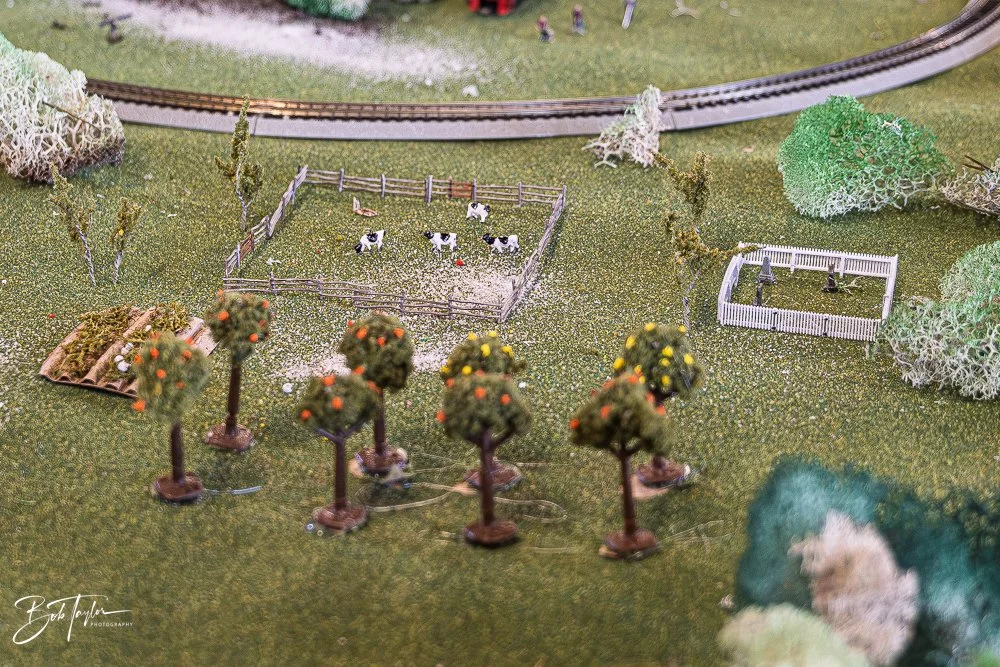
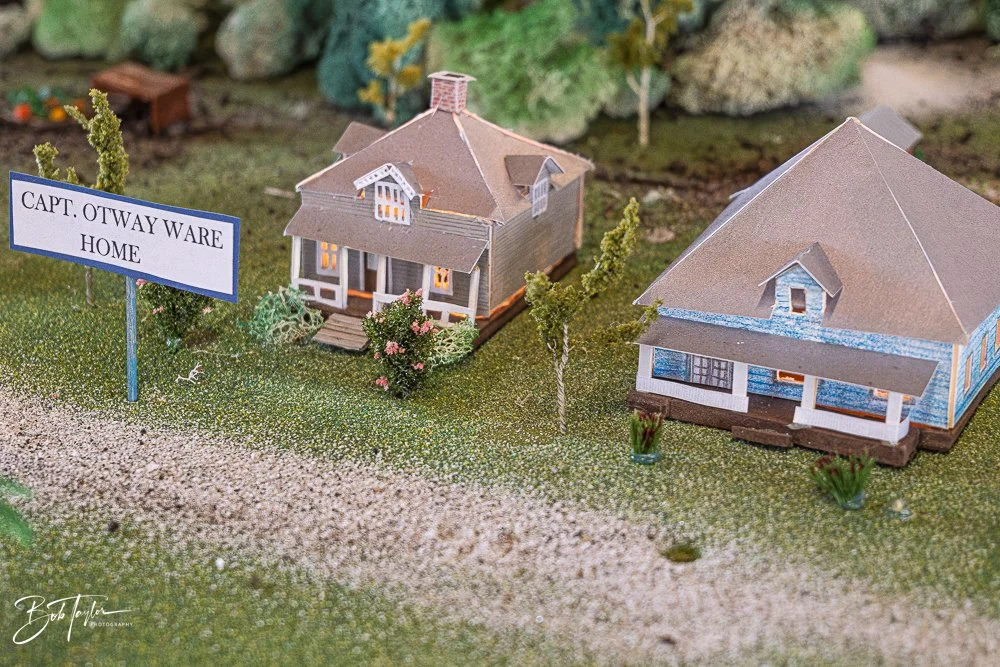
Set inside the museum is a beautifully crafted miniature model of Historic St. Andrews, scaled down but rich with detail. At first glance, it’s charming. Then you slow down, lean in, and realize it’s something more meaningful: a frozen moment in time.
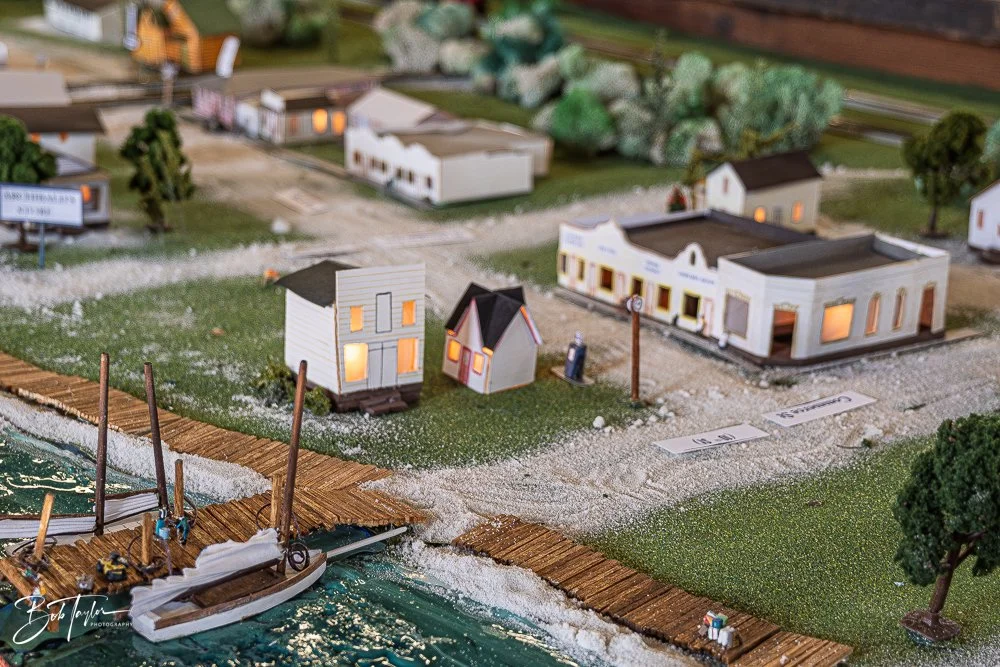
The model represents St. Andrews roughly 100 years ago, when Beck Avenue was still a dirt road and the town revolved around the waterfront, small businesses, and the steady rhythm of daily life. Buildings sit close together, modest and purposeful. No neon. No chains. Just a working town built by people who lived, worked, traded, and depended on one another.
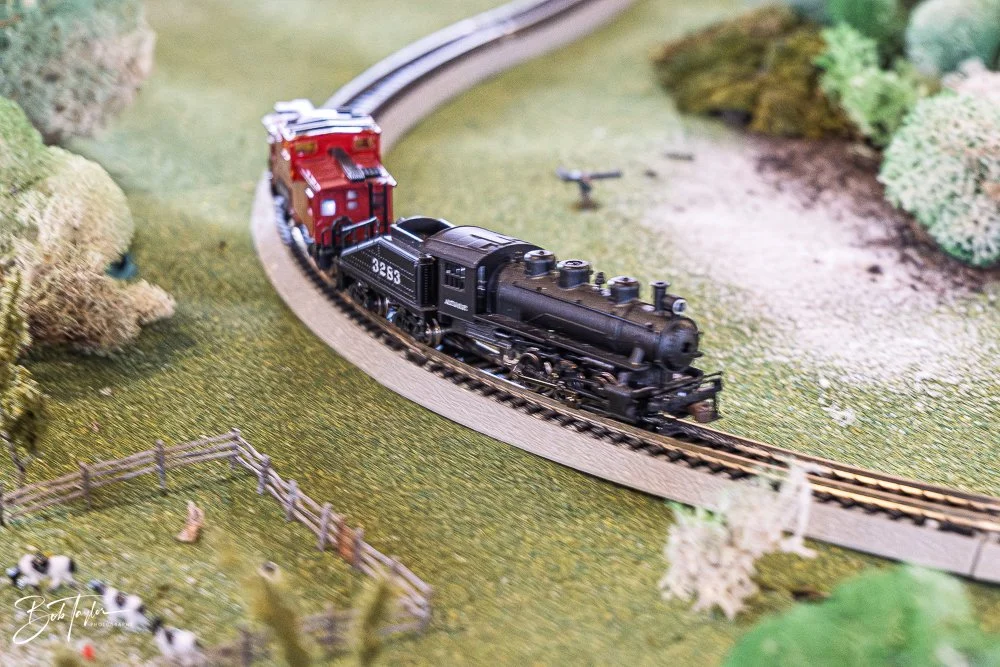
Running through the display is a working model train, not as a gimmick, but as a reminder. This was how goods arrived. How supplies moved. How St. Andrews connected to the outside world. Watching the train roll through the tiny town makes it clear that this wasn’t a sleepy postcard village—it was an active, functioning community.
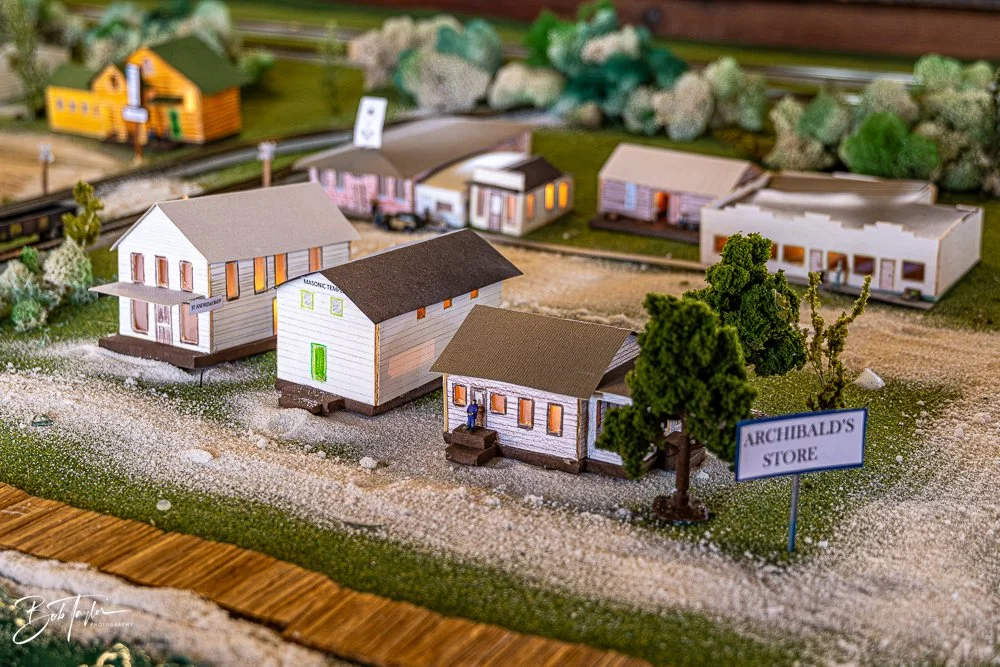
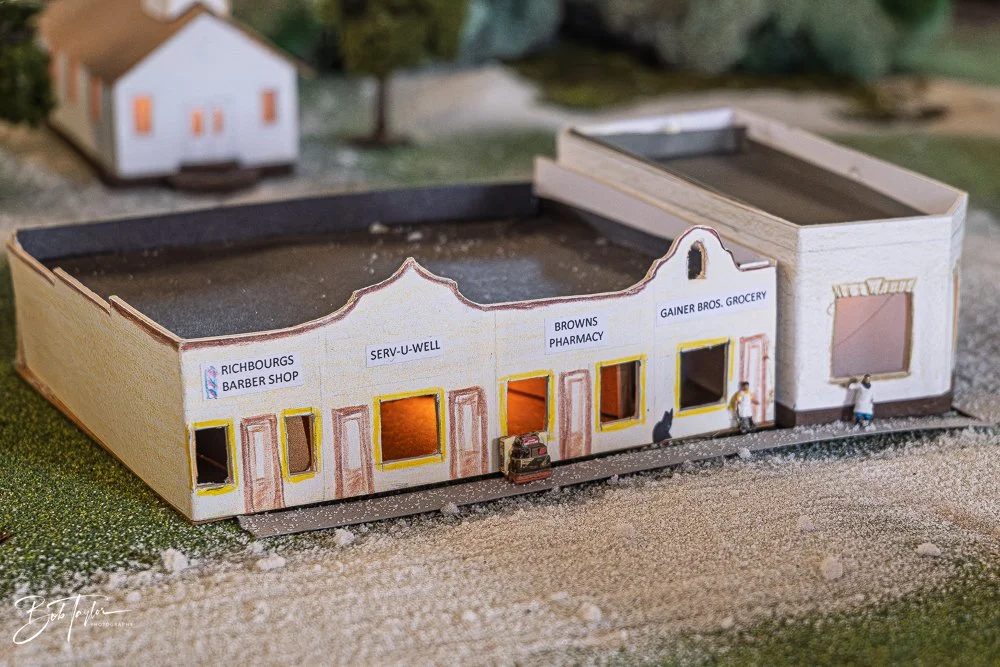
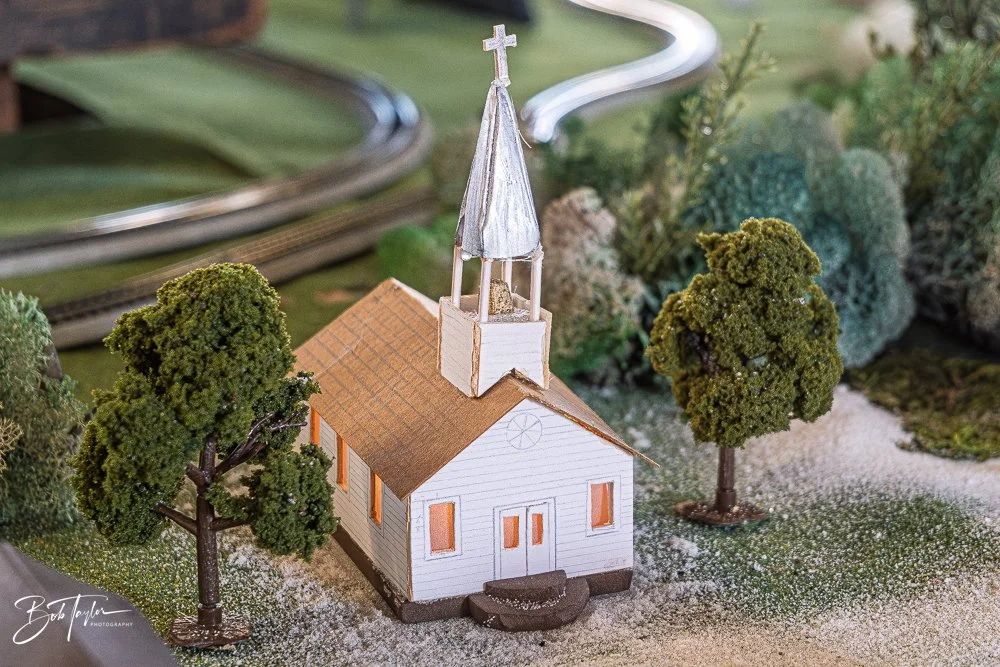
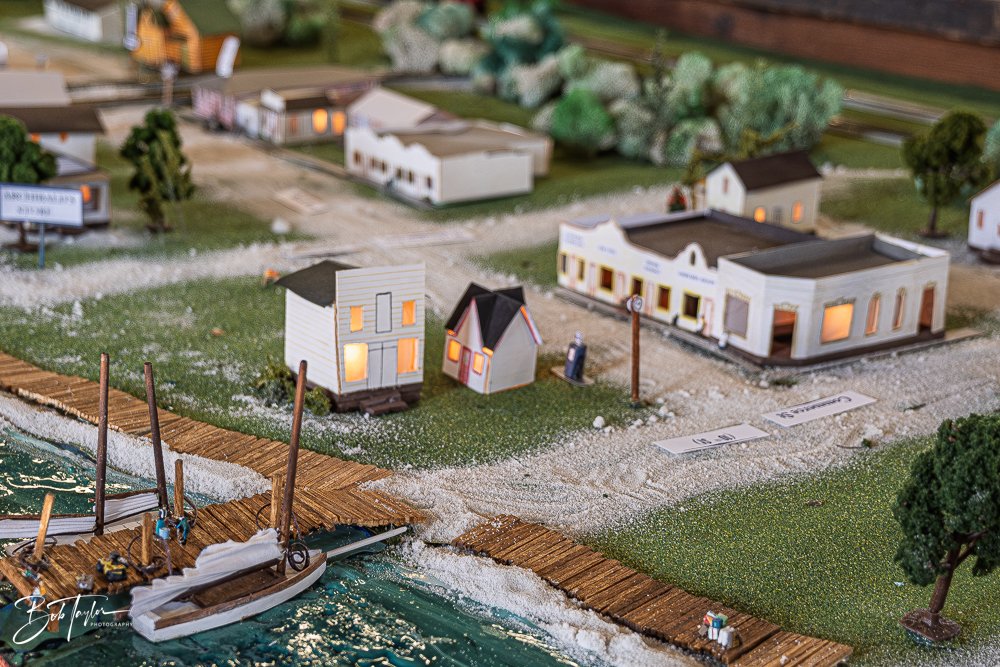
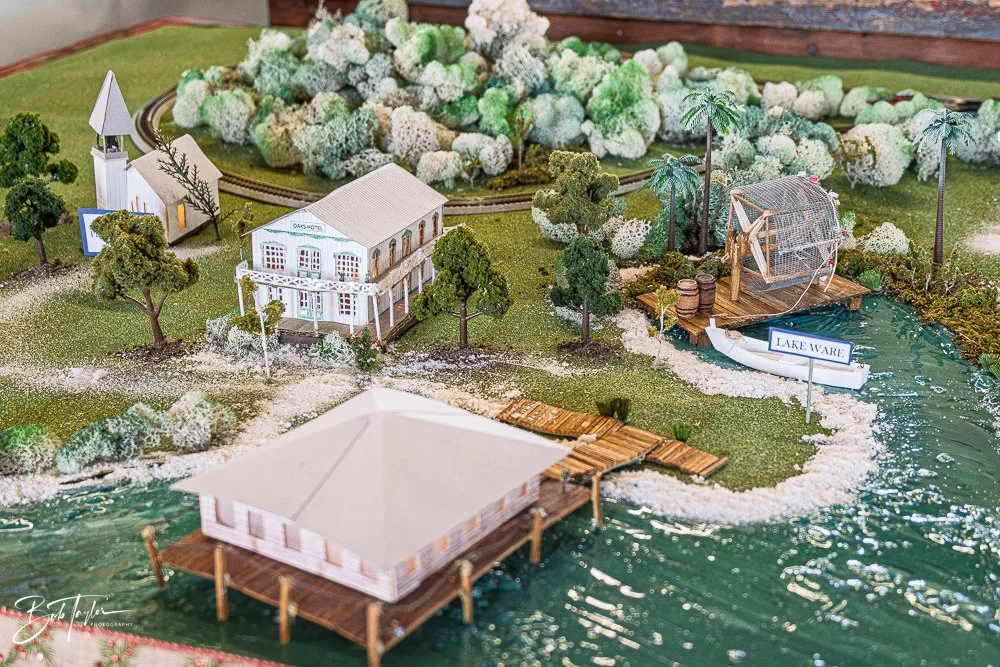
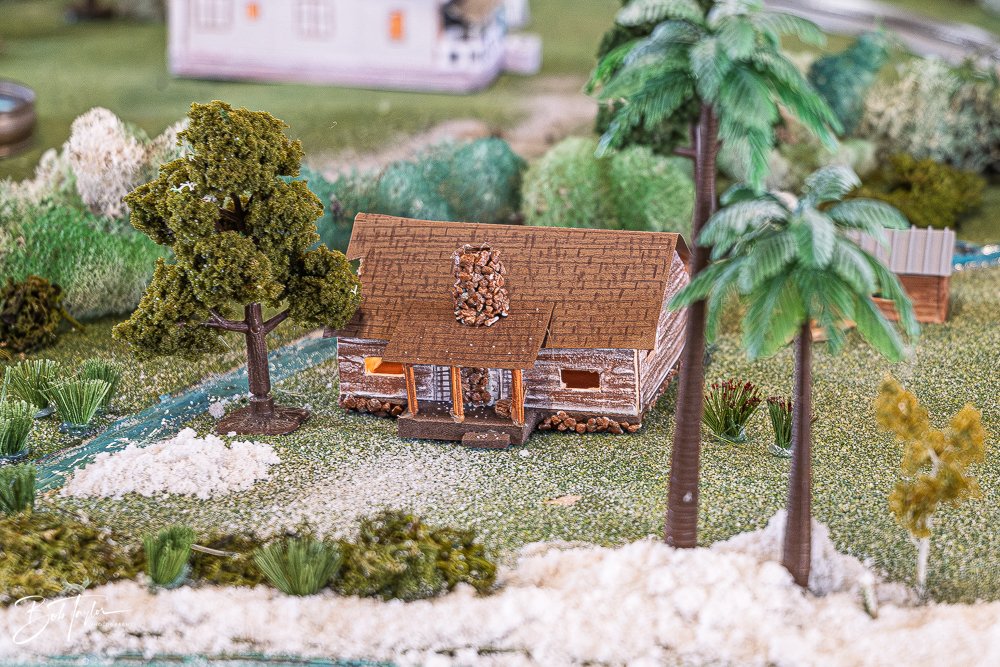
What makes the exhibit especially powerful is knowing how it was created. Volunteers didn’t guess. They researched. They used historic photographs, old records, property measurements, and even modern site visits with tape measures to get building sizes and layouts right. This isn’t nostalgia—it’s careful reconstruction.
As I studied the tiny streets and buildings, I kept having the same thought: some of this is still here. Some of these places—or at least their descendants—remain part of the fabric of St. Andrews today. Others are long gone, remembered only through displays like this. Seeing them side by side, preserved in miniature, makes the passage of time tangible in a way books and plaques rarely do.
What struck me most is that this display captures St. Andrews in between eras. It sits in the space between the St. Andrews described in G.M. West’s early histories—when the community was defined by deep-water access, timber, fishing, and small mercantile trade—and the St. Andrews we know today, shaped by bridges, roads, tourism, and modern redevelopment. This model is a snapshot of transition: the town is no longer a remote, self-contained settlement, but it also hasn’t yet become the busier, more complicated place we experience now.
You can see it in the layout. The waterfront still drives everything. Commerce is local and personal. The scale is human. At the same time, hints of connection to the wider world are there—transportation, growth, and change just beginning to press in. It’s a step in time between what St. Andrews was and what it would become.
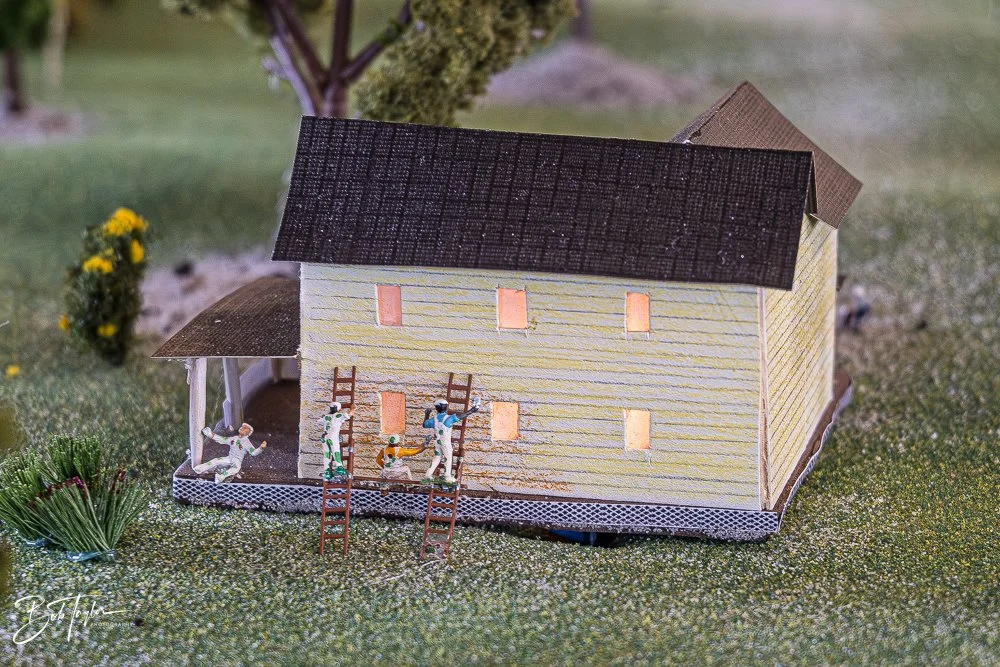

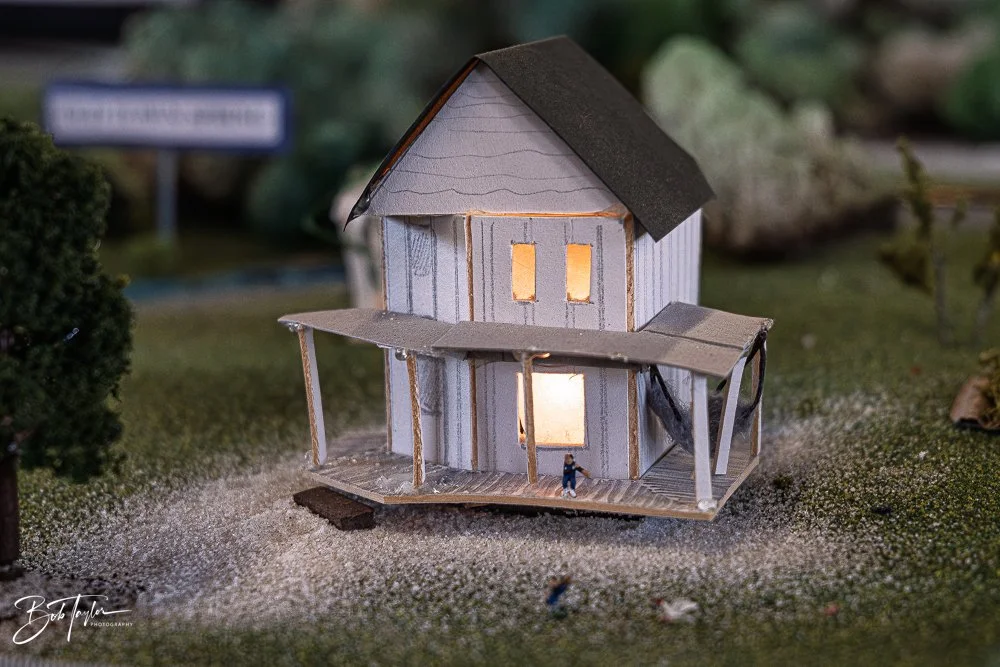
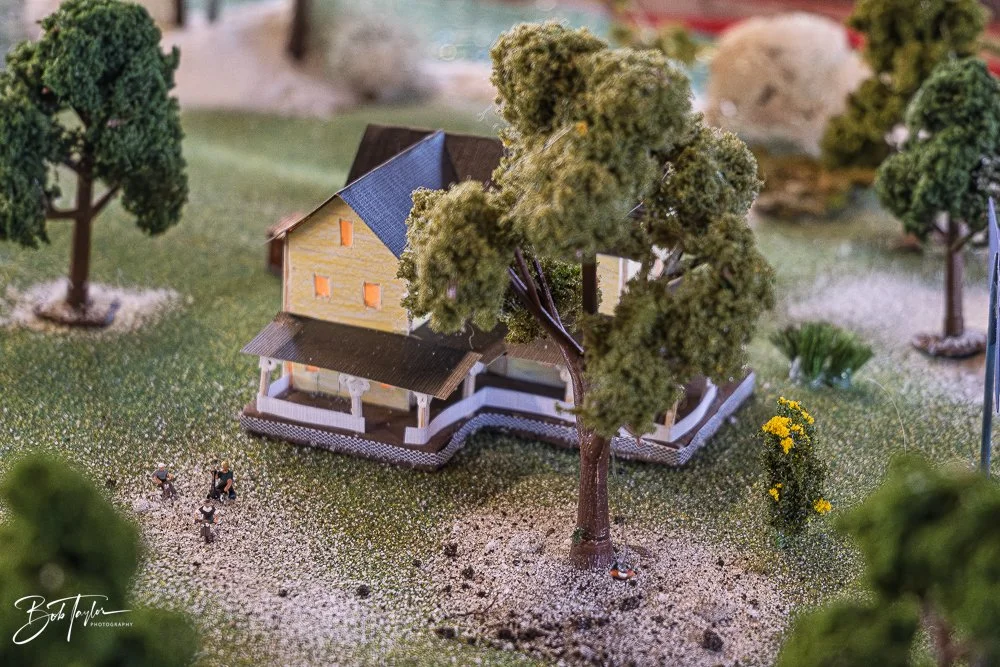
The creator also added a clever layer that makes the exhibit even more engaging. Woven into the scene is a quiet scavenger hunt, pointed out by the docents, where small characters and details are hidden in plain sight. A child on a tree swing. Painters balanced on ladders. Little moments of everyday life that reward careful looking. The museum even provides magnifying glasses, encouraging visitors to slow down and study the details up close. It’s a thoughtful, creative way to pull both children and adults into the exhibit—and once you start looking, you can’t help but smile as the tiny scenes reveal themselves.
And while the model is small, the story it tells is big. It shows a St. Andrews before modern development, before traffic and tourism and “improvements.” A place that grew organically, one building at a time, shaped by geography, hard work, and necessity.
I found myself thinking about how rare this kind of everyday history is. We tend to preserve the big moments and famous names—but displays like this preserve how life actually looked and felt. Ordinary streets. Ordinary businesses. Ordinary people doing ordinary things that, over time, became the foundation of the community we know today.
You come for the miniature town and the train.
You leave with a deeper appreciation for St. Andrews—and for the people who came before us and quietly built it.
If you haven’t visited the Panama City Publishing Museum yet, this exhibit alone is worth the stop. It’s history told the right way: patiently, honestly, and without pretense.