The Rest of the Story: St. Andrews From the Early 1900s to Today
A Quick Recap Before We Push Forward
The early story of St. Andrews — the one traced so vividly in West’s 1922 book — is a tale of a bay that kept being discovered, abandoned, and rediscovered again. Spanish mapmakers gave it the name that stuck. Storms tore the barrier islands apart and remade the shoreline. John Clark and a handful of bold settlers tried to anchor a town here, while the Ware brothers built mercantile businesses that became the beating heart of the early community. The Civil War burned the place to the ground; the Cincinnati Boom rebuilt it with northern money and big promises. Through it all, St. Andrews remained stubbornly itself — independent, weather-scarred, and a little salty long before we ever put that word on a T-shirt.
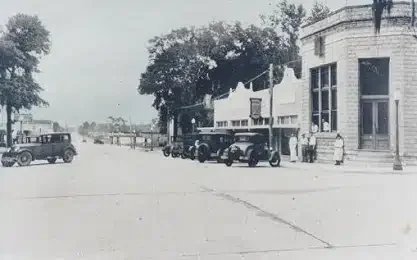
From Fishing Village to a True Florida Community (1900–1930s)
When West closed his book in 1922, St. Andrews was a modest but persistent village: a working waterfront, a few shops, a scattering of homes, a beautiful bay, and people who stayed put because they loved the place, not because life was easy.
The Ware family remained at the center of everything. Their store wasn’t just a business — it was the anchor of the waterfront, a supply house, a gathering spot, and the unofficial news bureau. From the dock behind Ware’s Wharf, fishermen unloaded mullet and mackerel, farmers traded produce, and visitors stepped off excursion boats to wander a town that still felt like an outpost.
Around this time, the dream of a stable port — one that could actually handle modern vessels — finally started to take shape. For decades, the shallow, shifting pass at the mouth of the bay had been a gate that slammed shut every time nature sneezed. Locals knew the bay’s future depended on solving that problem.
They were right.
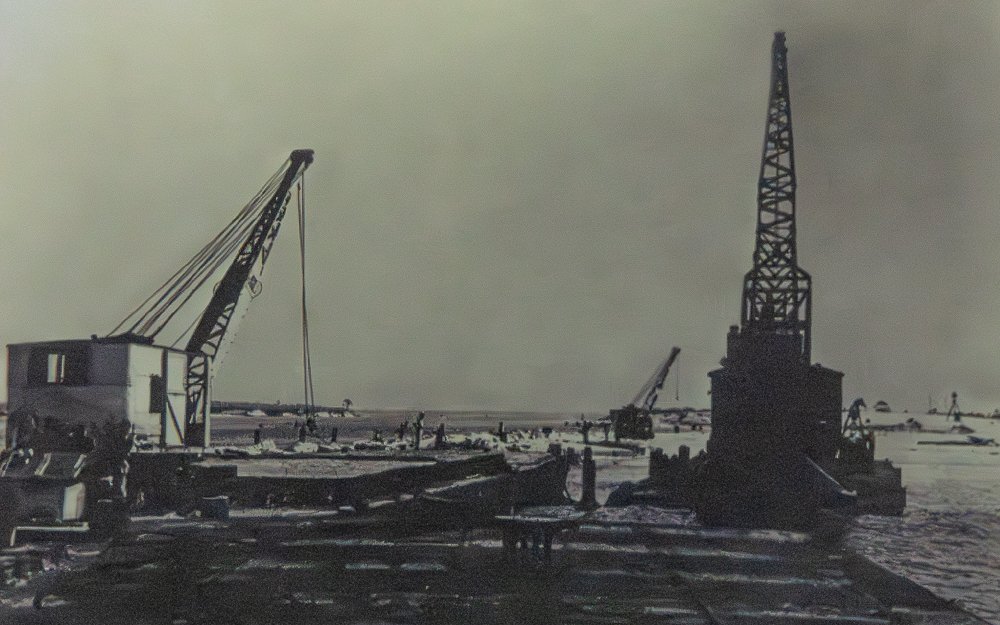
The Big Change: Digging the Pass & Building the Jetties (1930s–1940s)
If there’s a single turning point in the history of modern St. Andrews, it’s this:
the construction of the deepwater pass and the granite jetties.
It’s hard to overstate it — this was the moment the bay finally opened to the world.
In the 1930s, the U.S. Army Corps of Engineers began the long process of dredging a reliable channel from the bay to the Gulf of Mexico. The natural pass had always wandered like a bored toddler. The new, engineered pass was fixed, straight, and deep.
Then came the jetties — long arms of granite pulled from as far away as Alabama and Georgia, placed stone by stone. Together, the jetties pinned the pass in place and kept the channel from filling in.
When the last rocks went down, St. Andrews Bay became something entirely new:
A real harbor.
A safe haven.
A viable port.
And in time, the perfect home for a new state park built on the old military reservation that guarded the pass.
World War II Changes the Coastline (1940s)
With war on the horizon, the federal government tightened its grip on coastal installations. The sandy peninsula that now forms St. Andrews State Park was used as a military training ground — its dunes carved by roads, its beaches dotted with temporary structures.
After the war, the land was transferred to the state, and in 1947 St. Andrews State Park officially opened. What had once been a windswept, isolated strip of sand now became one of Florida’s beloved public treasures.
The jetties — still young then — became part of the park’s identity. Fishermen lined the rocks at sunrise. Families picnicked under the pines. And a whole local generation (yours included) would someday grow up scrambling on those boulders like mountain goats.
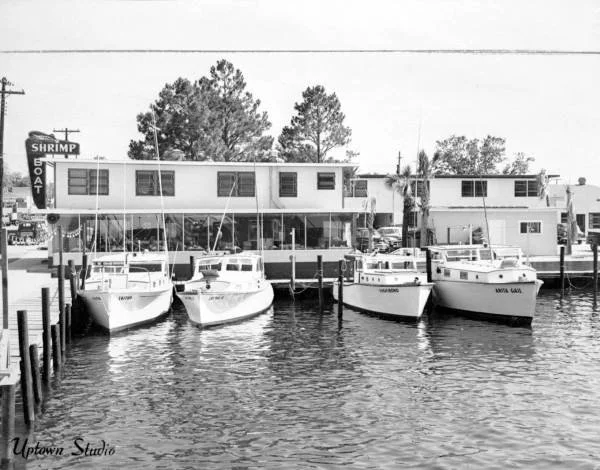
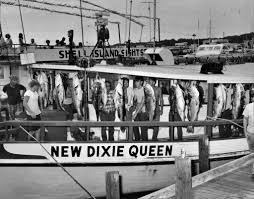
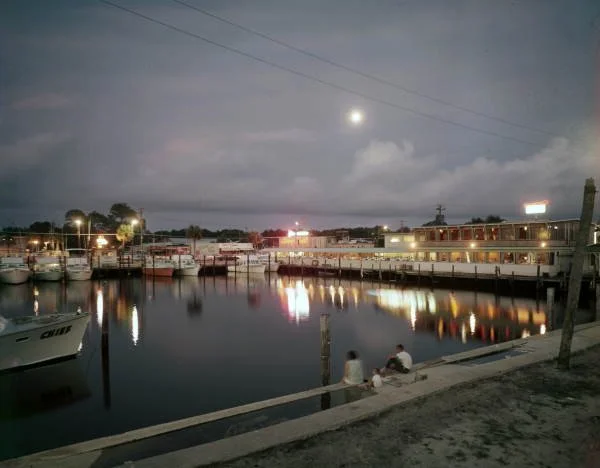
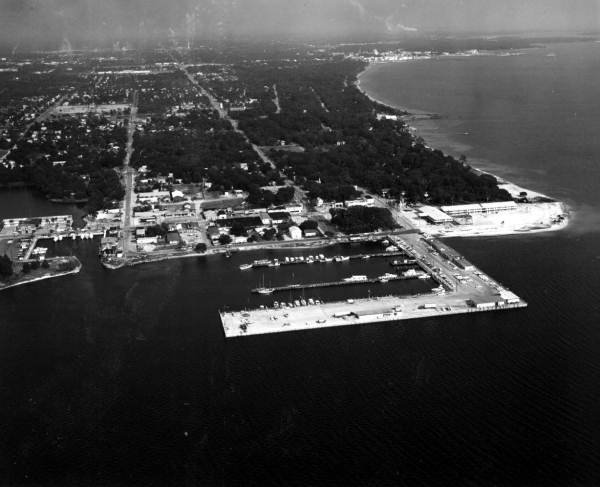
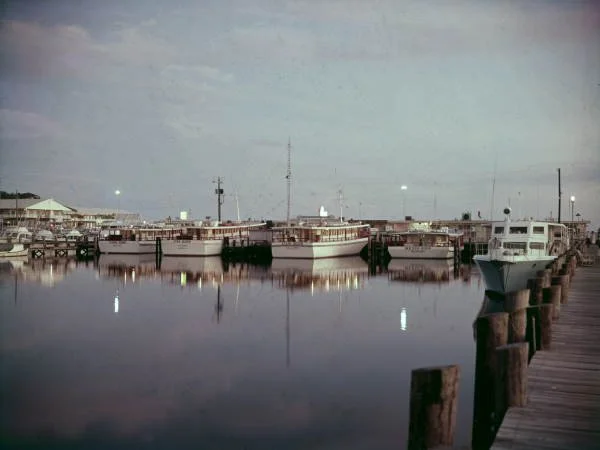
A Working-Waterfront Community (1950s–1980s)
Back in the town of St. Andrews, life settled into a rhythm that older locals still talk about with a kind of nostalgic pride.
The fishing fleet grew.
Ware’s Wharf remained the heart of commerce until the original structure faded away.
Boatbuilders, shrimpers, oyster men, charter captains, grocers, mechanics, and service shops filled the streets around Beck Avenue. It was a place where you could smell mullet smoking behind a shack, hear boat engines getting rebuilt, and watch kids dig for fiddler crabs under the dock.
The bay was the economy.
The waterfront was the town square.
And the people — well, that’s where the Salty reputation really took root.
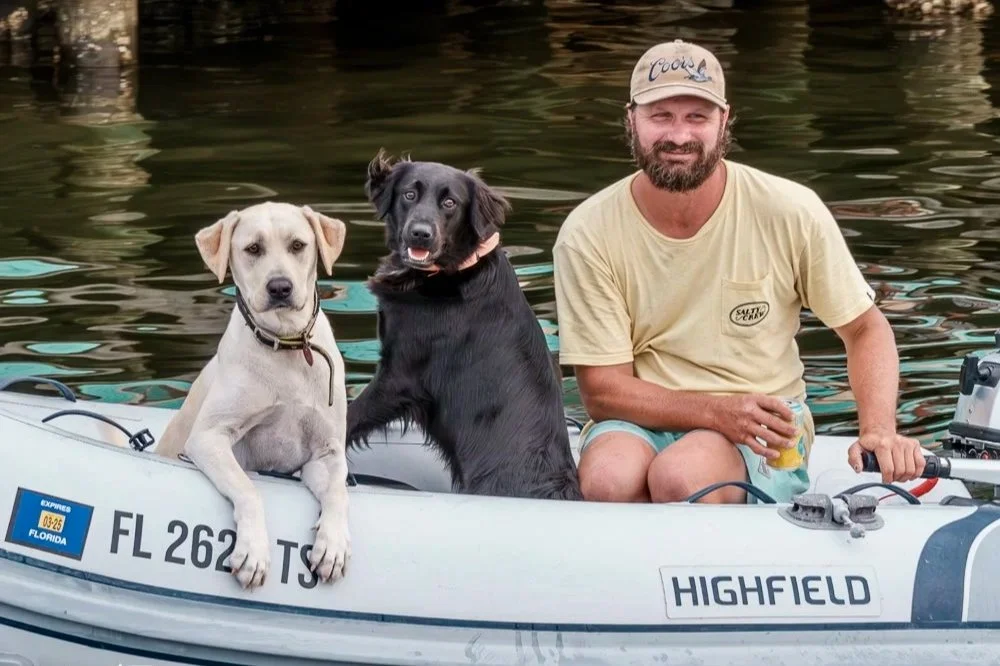
These were not resort folks. These were working people tied to tides, weather, and luck.
The Rise of Panama City & Shifting Tides (1980s–2000s)
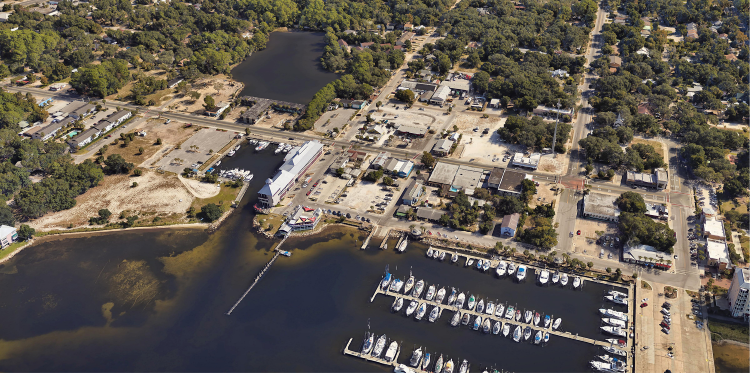
As Panama City and Panama City Beach expanded, St. Andrews changed again.
Restaurants replaced fish houses.
Marinas replaced boatyards.
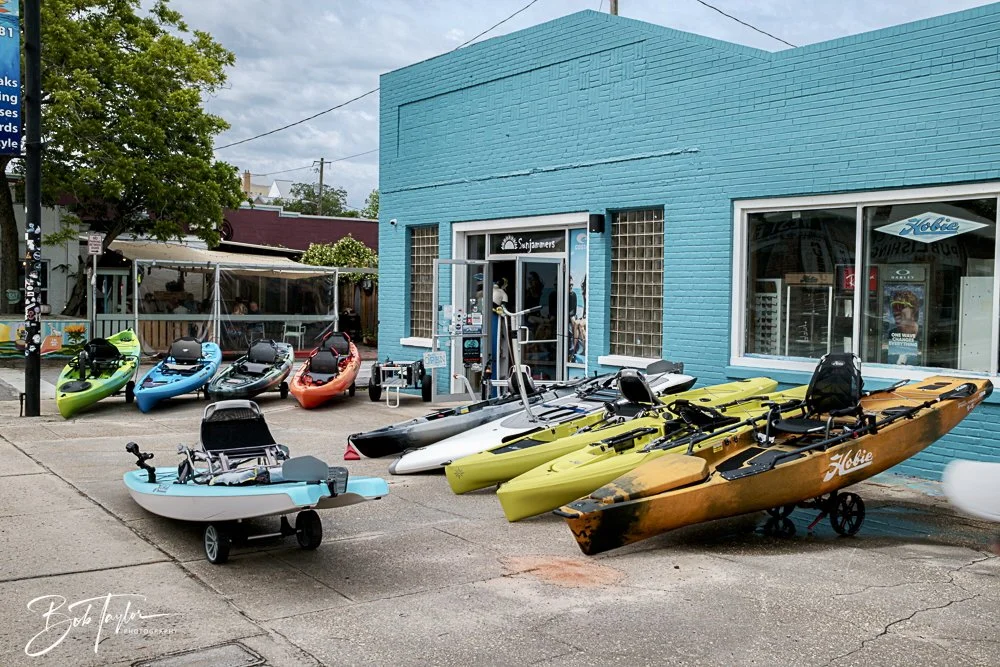
Shops, coffee spots, and galleries moved into old buildings once used for feed, hardware, or seafood.
The community reinvented itself — not by forgetting the past, but by leaning into it.
You can still feel that today: the smaller scale, the walkable blocks, the fact that people know each other by name. It’s tradition wrapped in new life.
But the coast wasn’t done reshaping itself.
Hurricane Opal (1995) & Hurricane Michael (2018)
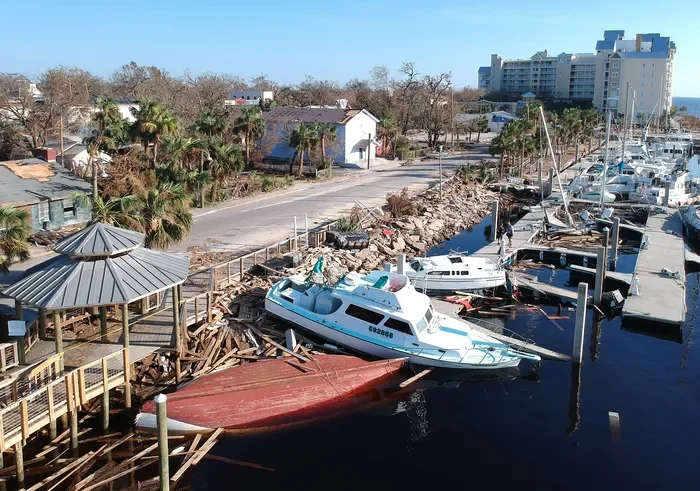
Storms have always written the footnotes of St. Andrews history, and the late 20th century delivered two big ones.
Opal tore boats from their moorings and chewed up the shoreline. The community rebuilt.
Michael, in 2018, was a different magnitude entirely — a Category 5 that ripped through Bay County and left scars we still see today.
In St. Andrews State Park, structures vanished. Sand shifted. Trails changed. Even some of the old turpentine history — stills, remnants, artifacts — was swept away for good.
The town, though battered, refused to quit.
That’s the St. Andrews way. Salty in the best sense.
A New Century, A Renewed Identity (2000s–Today)
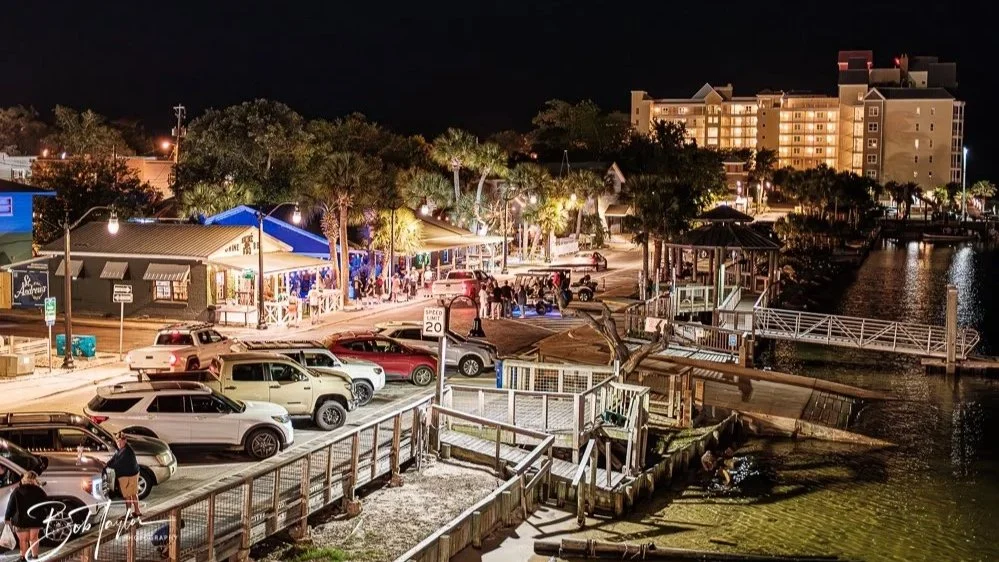
In the last twenty years, St. Andrews has leaned into being exactly what it is:
A walkable, waterfront village
rooted in history,
proudly independent,
a little quirky,
and a whole lot welcoming.
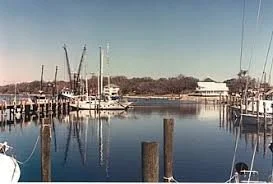
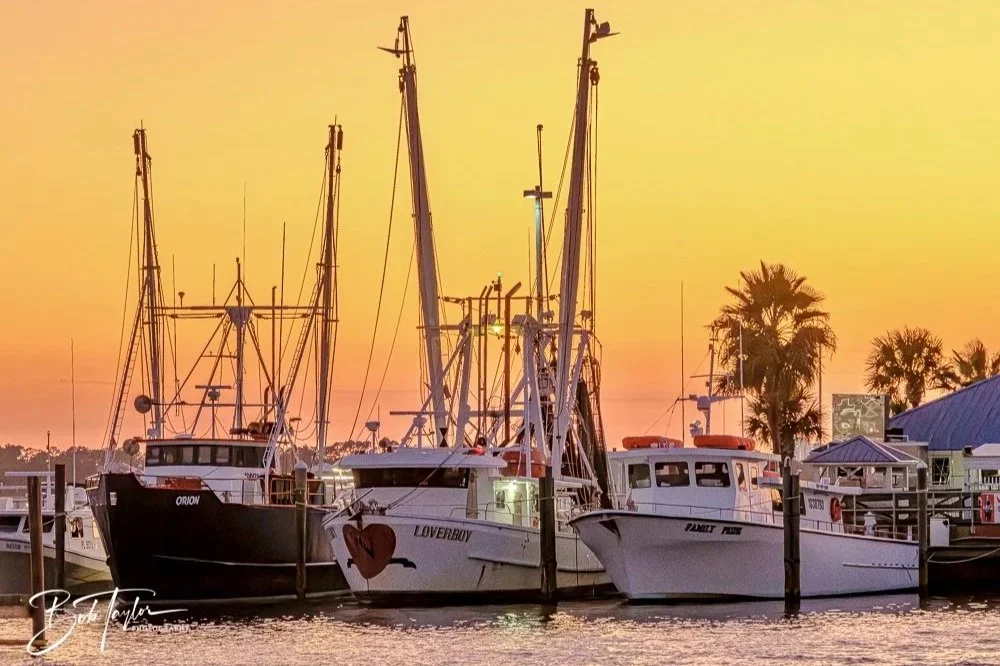
The fishing heritage is still here — look at the boats in the marina, the oyster shells piling behind restaurants, or the shrimp trawlers easing through the pass.
The jetties — built almost a century ago — remain the backbone of the bay.
The pass still shapes every tide.
And the Ware brothers’ legacy lives on every time someone steps onto Beck Avenue and sees a community that held together when everything else shifted around it.
Today, St. Andrews is a blend of old and new:
local shops
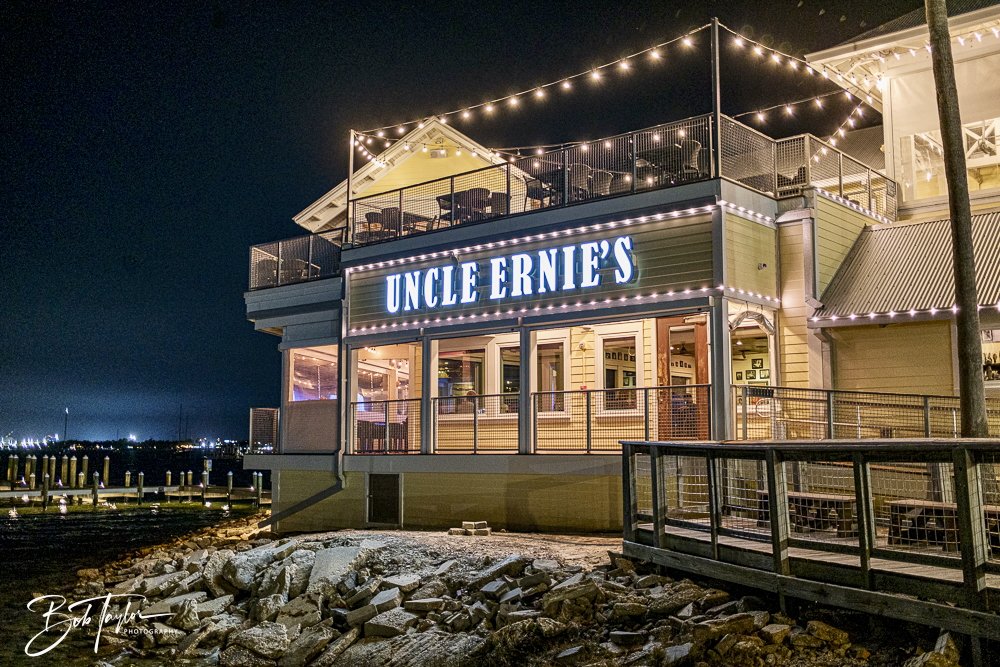
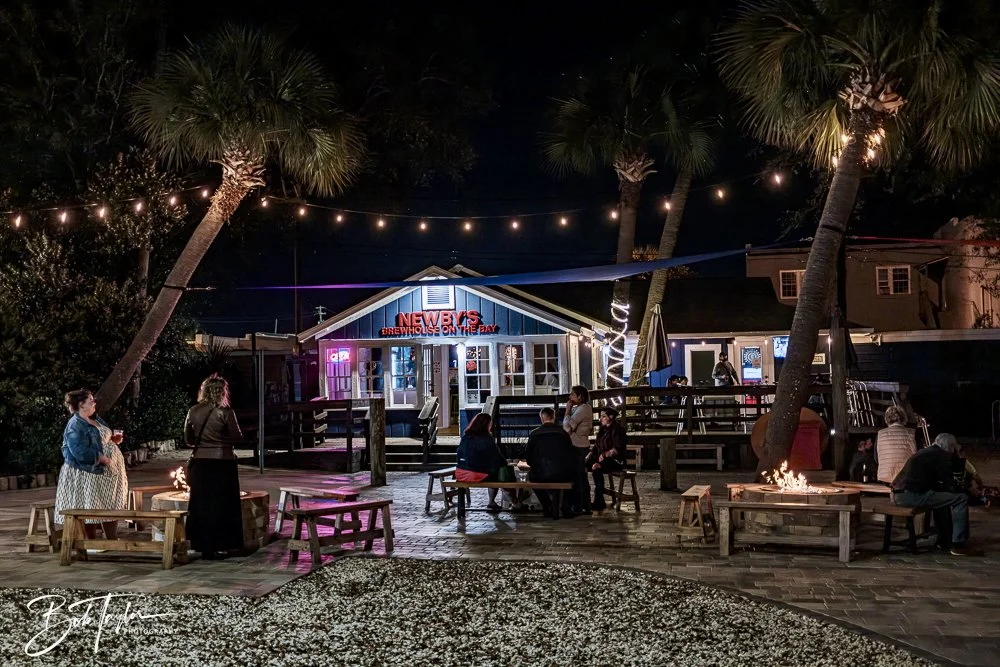
local restaurants
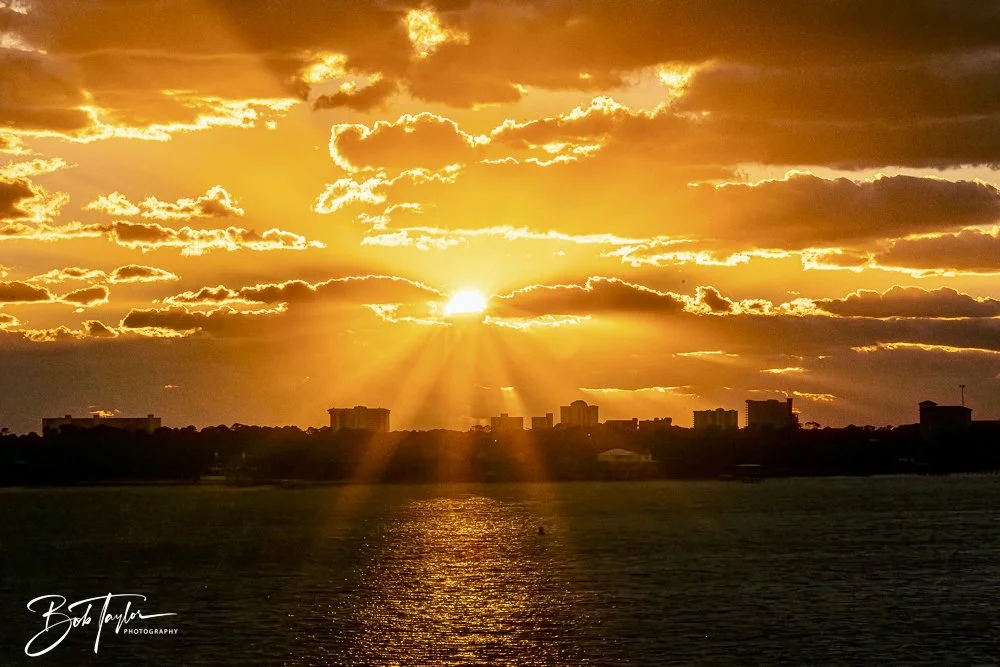
sunsets that stop you in your tracks
a thriving arts and music scene
and a stubborn sense of place you just can’t fake
Call it charm.
Call it grit.
Call it Salty — because it is.
Why This Story Still Matters
Because St. Andrews didn’t just grow — it endured. It adapted. It rebuilt. And every chapter from the 1900s to today is proof that this little corner of the bay has never been ordinary ground.
It’s a place shaped by people who stay, storms that test, and a bay that insists on being loved.
And just like the rediscoverers of the past, we’re still here saying:
“Look at this place… how is the rest of the world not seeing this?”