The Tides That Made Us: The Long Memory of St. Andrews
Introduction
I was born and raised right here in Panama City, and no matter where life took me—college, career, other states, other seasons—I never lost touch with this place. Every time I came home, the bay still smelled the same, the light still hit the water the same way, and Panama City still felt like home.
When Sharon and I returned here to retire and start the next phase of our lives, it wasn’t a strategic decision. It was instinct. This has always been the place that feels like home. The place I’m proud to call home. And as I settled back in and decided to settle in Historic St Andrews, I found myself wanting to understand it even more deeply—not just the memories I carried, but the history underneath them. I wanted to understand what shaped St Andrews into what it is today.
So I started digging.
I started searching online, looking at old books, visiting local museums, looking at old maps, photos, and reading old stories.
Not out of obligation, but because I wanted to reconnect with the roots of the community that I call home.
The more I learned, the more I realized how little of St. Andrews’ past I remembered….or even ever knew…how many storms, setbacks, reinventions, and small victories built the waterfront we all know today. Relearning our history helped me appreciate our present, and it gave me a clearer view of the kind of future we ought to aim for as a community..
I wrote this story more for myself than anyone else—an exercise in understanding, reflection, and gratitude. But I’m sharing it in case someone out there has the same hunger I did…to learn something new about a place they’ve known their entire lives. To understand why we are the way we are. To feel a little closer to the ground they walk on.
If this story helps you see St. Andrews with fresh eyes—even just for a moment—then it’s worth sharing.
—Bob
The History of St. Andrews That Made It What It Is Today
How 500 years of exploration, storms, ambition, grit, and salty local character shaped this waterfront village.
If you walk the streets of St. Andrews today—past the waterfront restaurants, the live music drifting down Bayview and Beck Avenue, the fishermen launching skiffs at first light, or the shopkeepers greeting customers in their shops—you’re seeing the result of a story that stretches back half a millennium.
This little waterfront district has been discovered, abandoned, rebuilt, burned, reinvented, nearly forgotten, and rediscovered again and again. Through every era, one thing stayed constant:
St. Andrews has always been a place shaped by water, storms, resilience, and a salty stubbornness that refuses to fade.
Here is the full story—from the first European sightings in the 1500s to the thriving, creative waterfront community you know today.
Part One: The Early Story (1516–1922)
Taken from the book by G.M. West entitled “ST. ANDREWS, FLORIDA
Historical notes upon St. Andrews and St. Andrews Bay”
Published by the Panama City Publishing Company, St. Andrews, FL 1922
The Bay First Seen by Spanish Explorers
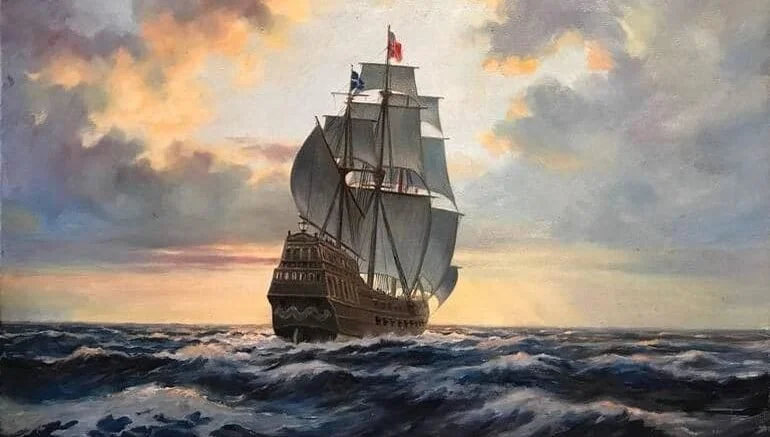
The earliest Europeans to reach what we now call St. Andrews Bay were Spanish navigators sailing the northern Gulf in the early 1500s. Following their custom, they named the bays they charted after saints tied to the day they were discovered—giving us Bahía de San Andrés.
It was a deep, protected bay that immediately stood out. Even then, the waterfront we now walk was part of a landscape that drew attention for its natural harbor and calm waters.
A Coastline That Refused to Stay Still
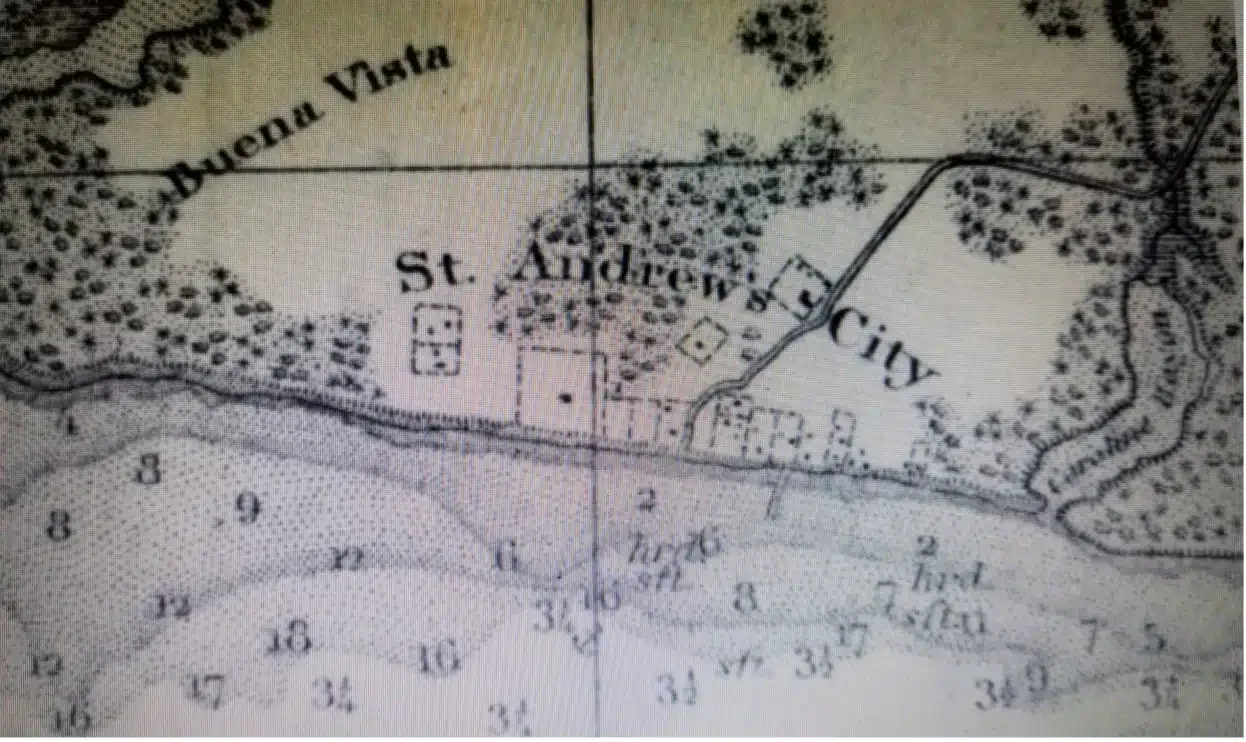
Maps from the 18th and 19th centuries reveal that the coastline around St. Andrews Bay was in constant motion:
Barrier islands split apart
Passes opened and closed
Sand spits washed away
Storms reshaped the entire shoreline
Nature never hesitated to redraw the map.
Early Settlers—And the Rosemary They Left Behind
When the British took control of Florida in 1763, the first English settlers began farming the bay’s shores. They planted fields and even discovered wild grapes grew exceptionally well.
But these early communities didn’t last.
By the time G.M. West visited these areas in the late 1800s, the only thing left were thickets of rosemary growing where homesteads once stood—what he called “rosemary for remembrance,” after Shakespeare.
The settlers vanished.
The rosemary remained.
A Place Settled—and Abandoned—Again and Again
Between the 1500s and early 1800s, the bay saw waves of Spanish, English, and American activity. Yet none of these early populations stayed. West noted that no descendants of the earliest settlers remained in the St. Andrews Bay region by the early 20th century.
The land kept resetting itself.
Each generation left barely a trace.
John Clark Arrives and a Community Takes Shape
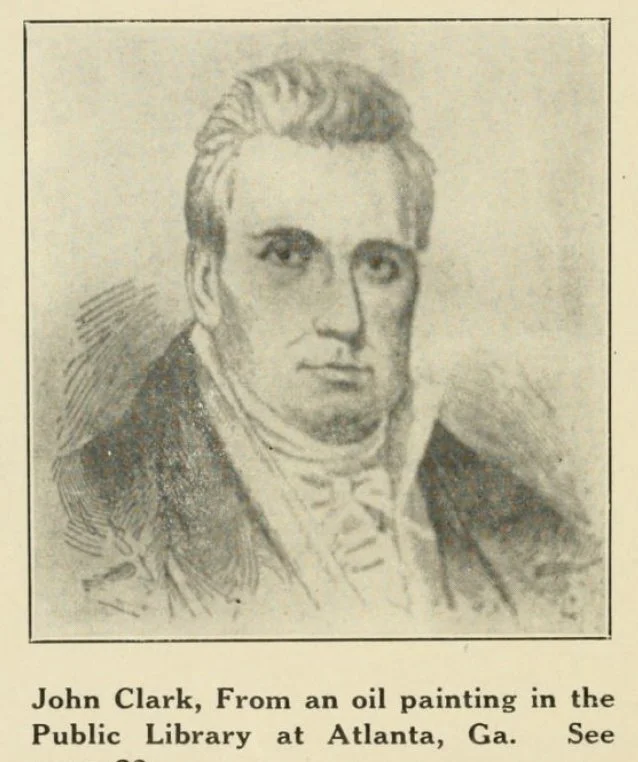
The modern story of St. Andrews really begins around 1827, when John Clark, a Georgian with entrepreneurial ambition, arrived. Clark became the driving force behind early surveys, land purchases, commercial development, and efforts to make St. Andrews an official port.
His efforts created the foundation of what would become the St. Andrews community.
Dreams of Canals, Timber, and Opportunity
Throughout the 1800s, surveyors and entrepreneurs envisioned the bay as a future hub of trade:
proposed canals connecting the bay to inland rivers
sawmills on Watson’s Bayou
fishermen salting their catch for inland markets
the federal government reserving land for live oak timber used in shipbuilding
St. Andrews Bay was seen as a place waiting to be something.
The Civil War and the Burning of St. Andrews
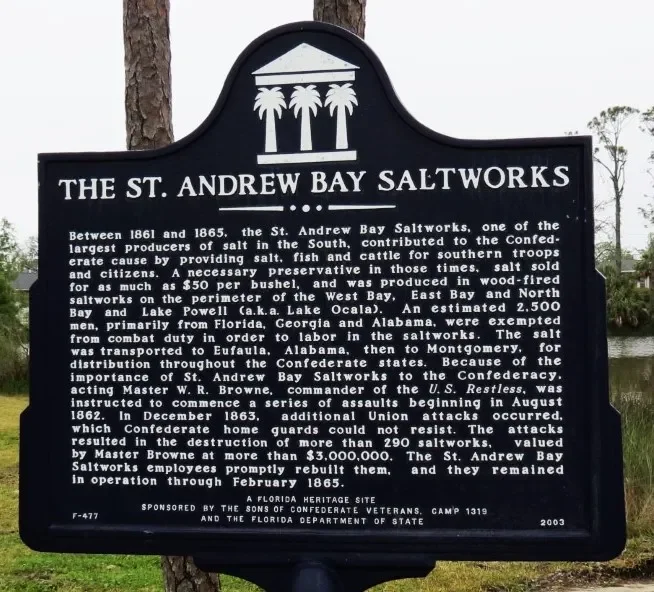
During the Civil War, the bay became strategically important. Union naval records show blockades, seizures of schooners, and—eventually—the burning of Old St. Andrews in 1863.
The fledgling town was left in ruin, and rebuilding was slow in the decades that followed.
The 1880s Boom That Almost Was
Between 1885–1888, the St. Andrews Bay Railroad and Land Company launched a massive promotional campaign that brought hundreds of settlers to the area. Over 350,000 brochures were mailed nationwide.
The dream didn’t fully materialize—lots were small, infrastructure limited—but the boom left behind new streets, homes, and the early outlines of the St. Andrews we know today.
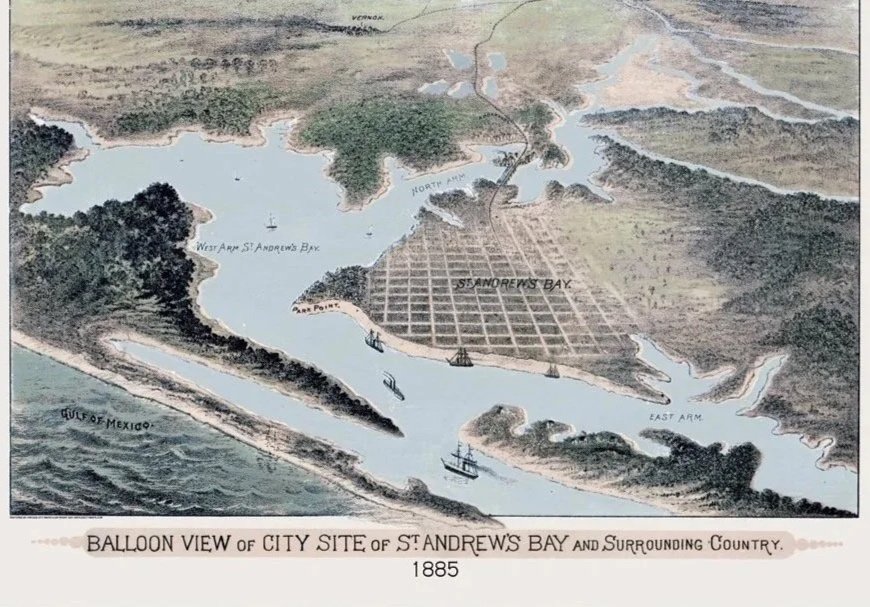
By 1922: A Quiet Waterfront with a Deep Past
And that is where G.M. West ended his book.
A small waterfront village with a long, complicated history—but still more potential than development.
The story was far from over.
Part Two: Reinvention, Resilience & the Saltwater Century (1922–2018)
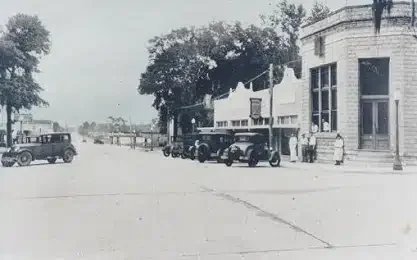
1920s–1930s: A Village Growing Into Itself
After 1922, St. Andrews grew slowly—picking up small businesses, better roads, and a stronger community footprint. It remained a little rough around the edges, but that was part of its charm.
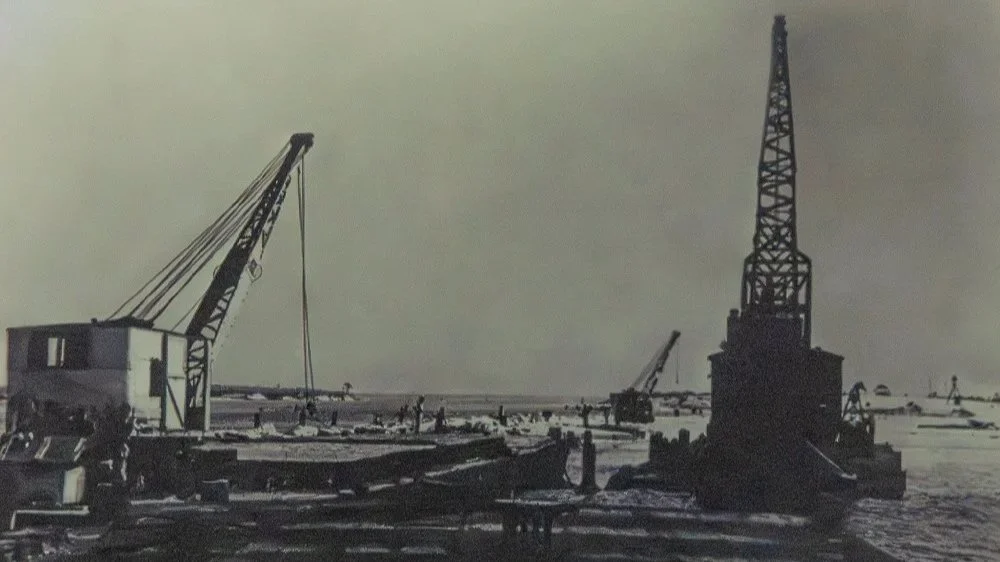
The Pass & Jetties: The Most Important Project of the Century
In the early 1930s, the federal government undertook a monumental engineering project:
a deep, stable Pass into the Gulf
granite jetties to hold it in place
Before this, the bay’s outlet to the Gulf shifted constantly.
Afterward, St. Andrews Bay became a true harbor—safe, reliable, navigable.
That stability would change everything that followed.
1940s: The War Years and a New Era of Growth
World War II brought the construction of Tyndall Field in 1941, injecting thousands of people, jobs, and infrastructure into the area.
In 1947, the former military land across the Pass became St. Andrews State Park, setting the stage for a future recreational jewel.
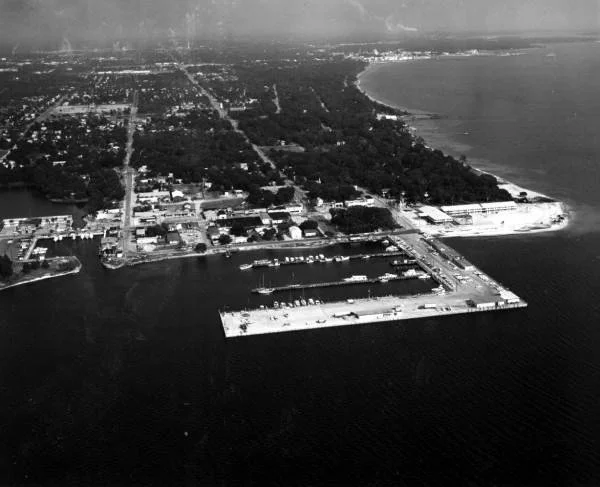
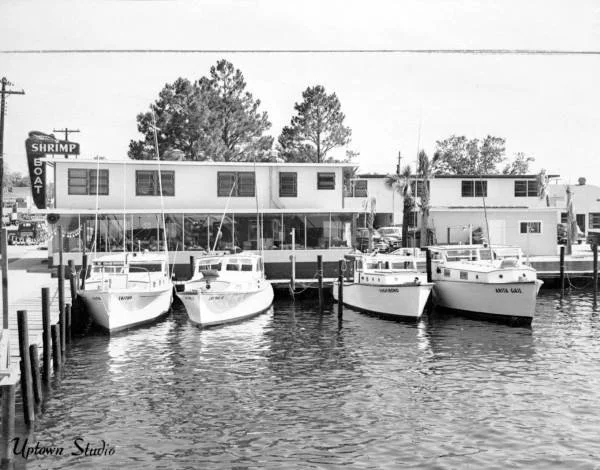
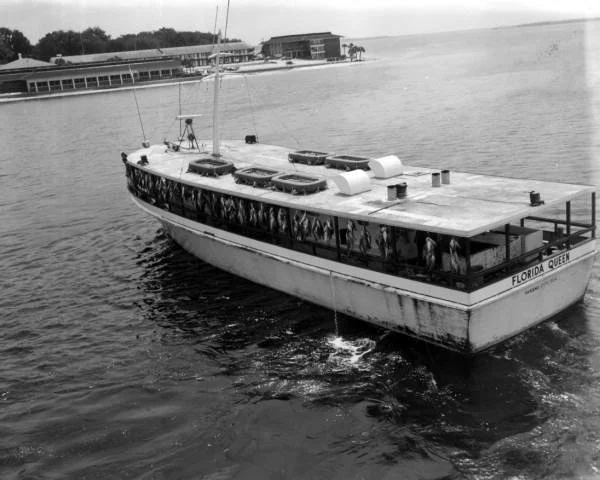
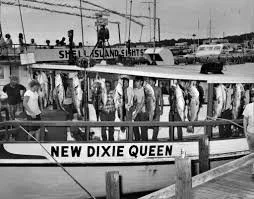
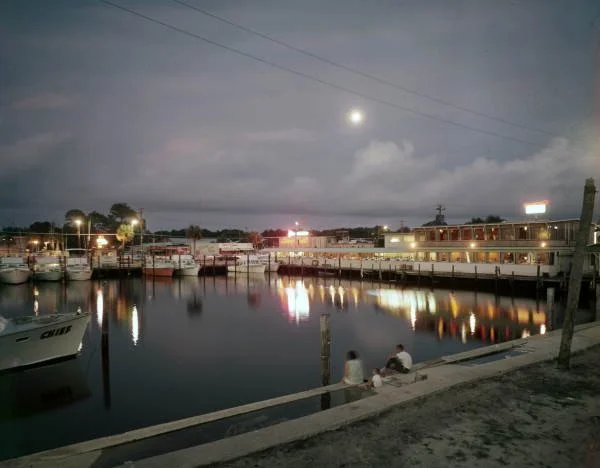
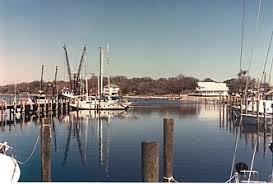
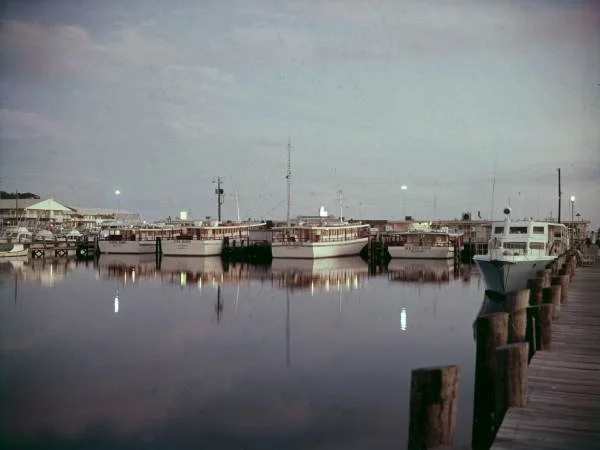
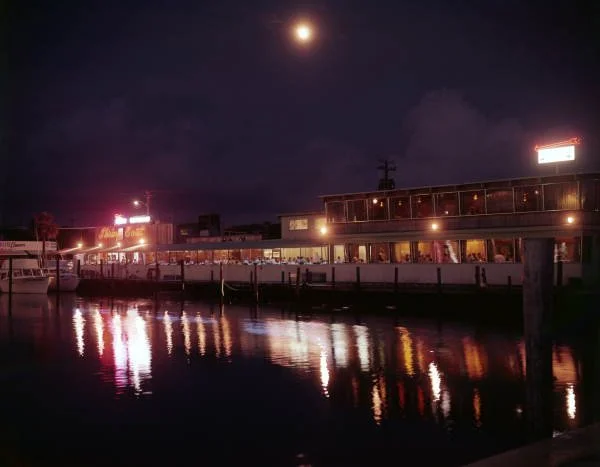
1950s–1970s: The Golden Age of the Working Waterfront
With the Pass secure and the park established, St. Andrews boomed as a fishing and boating powerhouse.
These decades were defined by:
wooden shrimp boats
headboats and tarpon trips
seafood houses and ice plants
salty captains who became local legends
marinas packed with life
This was the gritty, no-frills, working bayfront that gave St. Andrews much of the salty character people still talk about today.
1980s–1990s: A Cultural Shift
As Panama City Beach grew into a tourist destination, St. Andrews transitioned into a different role:
more restaurants
more live music
more shops and galleries
fewer commercial fishing fleets
The district leaned into its history and charm. It became the authentic, walkable, lived-in waterfront alternative to the neon buzz of the beach.
The salty spirit didn’t fade—it simply expressed itself in new ways.

2000s: A Creative, Local, Independent District
By the early 2000s, St. Andrews had found its modern identity:
local-owned restaurants and bars
an emerging arts scene
a farmers market
festivals and community events
preservation efforts
strong neighborhood pride
It was becoming the kind of place where creativity, food, music, and community naturally gathered by the water.
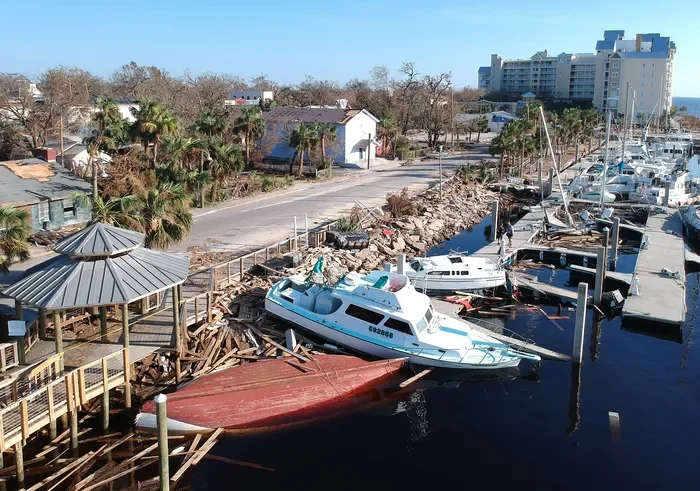
2018: Hurricane Michael Resets the Story Once Again
In October 2018, Hurricane Michael devastated St. Andrews:
the marina was destroyed
boats were tossed ashore
buildings were gutted
trees and landmarks were lost
Just as in the Civil War, destruction became a turning point.
And just as before, St. Andrews rebuilt—faster and with more determination than anyone expected.
Neighbors helped neighbors.
Businesses reopened in damaged buildings.
Music and community events returned.
The salty spirit held firm.
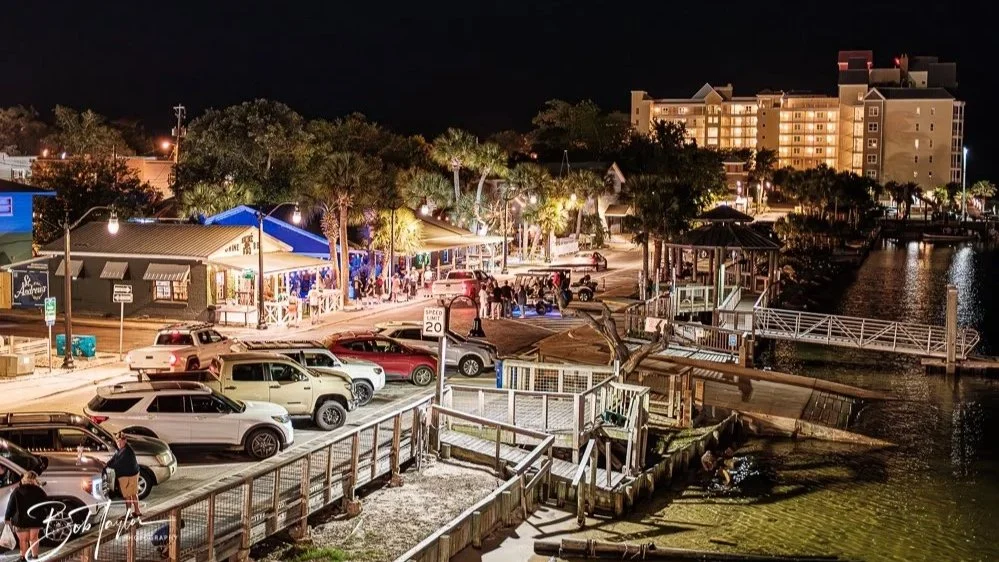
Part Three: St. Andrews Today — Salty, Creative, Proud, and Alive
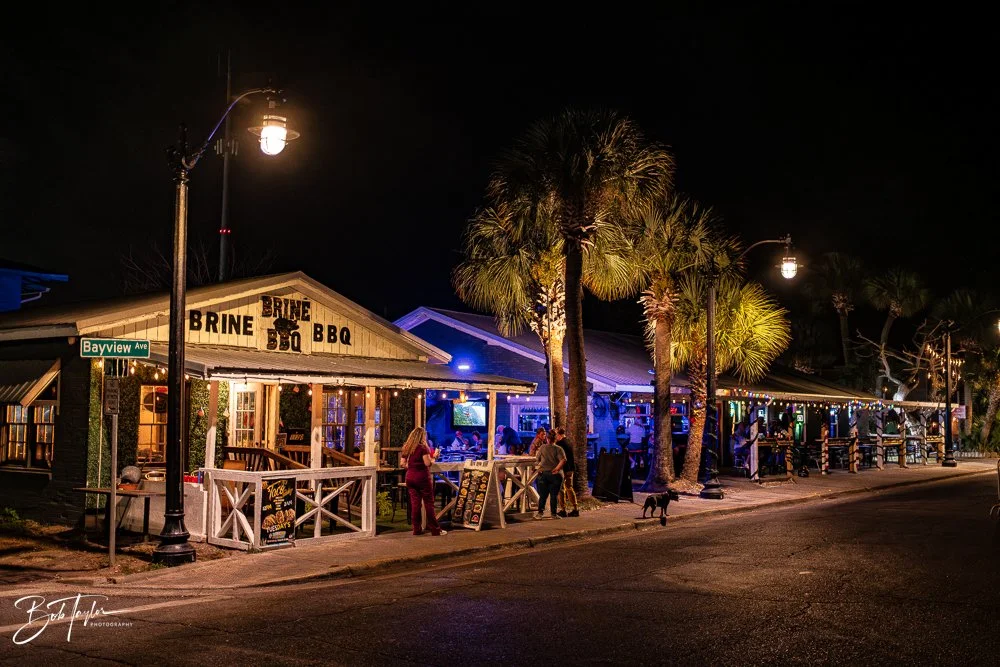
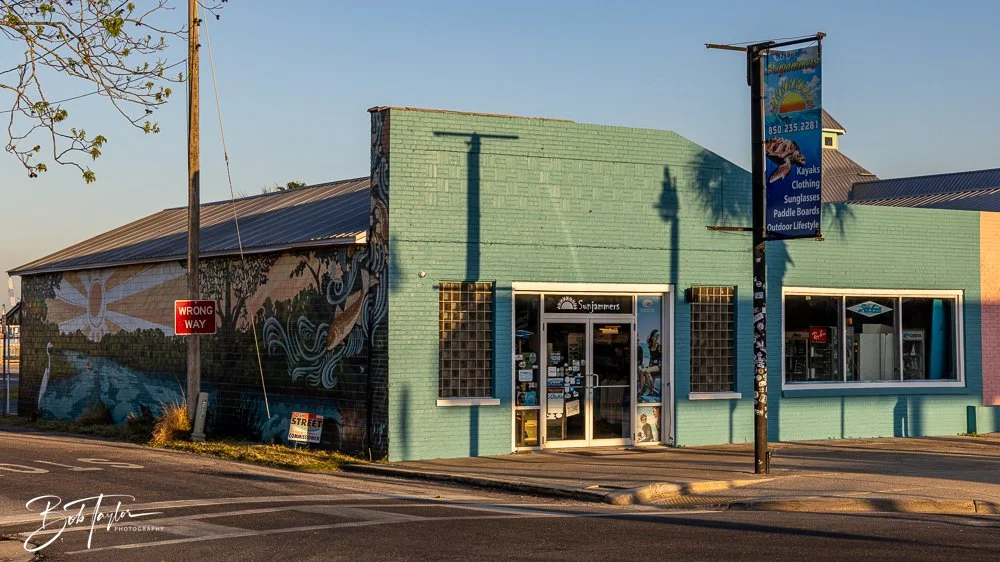
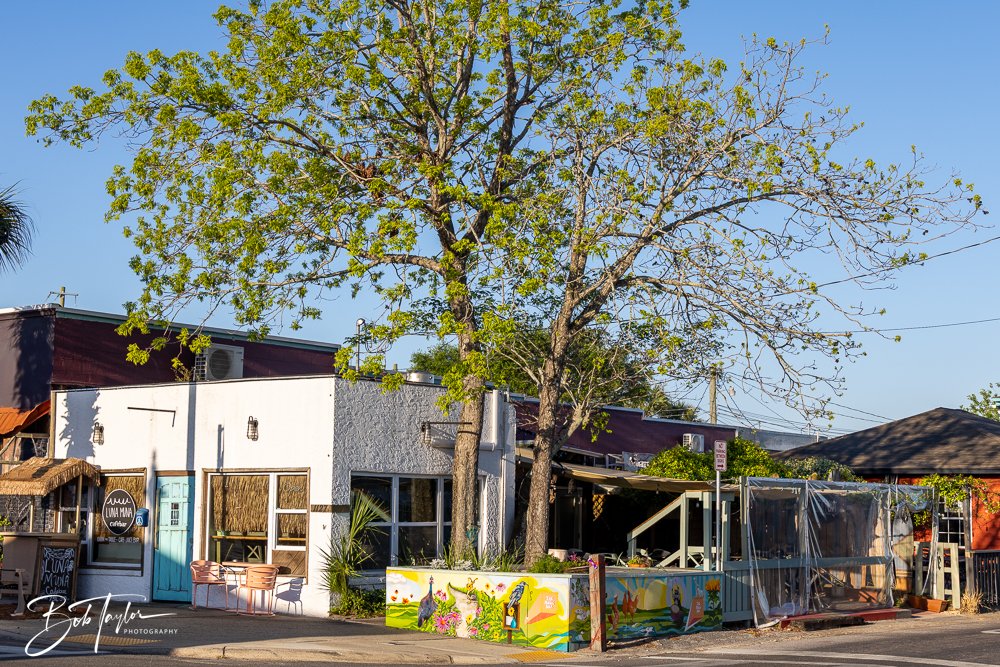
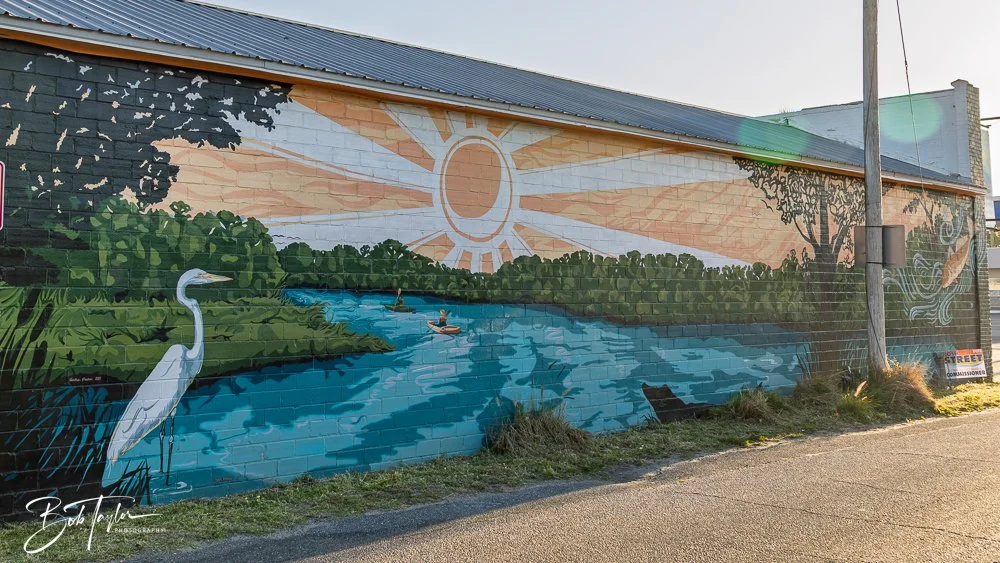
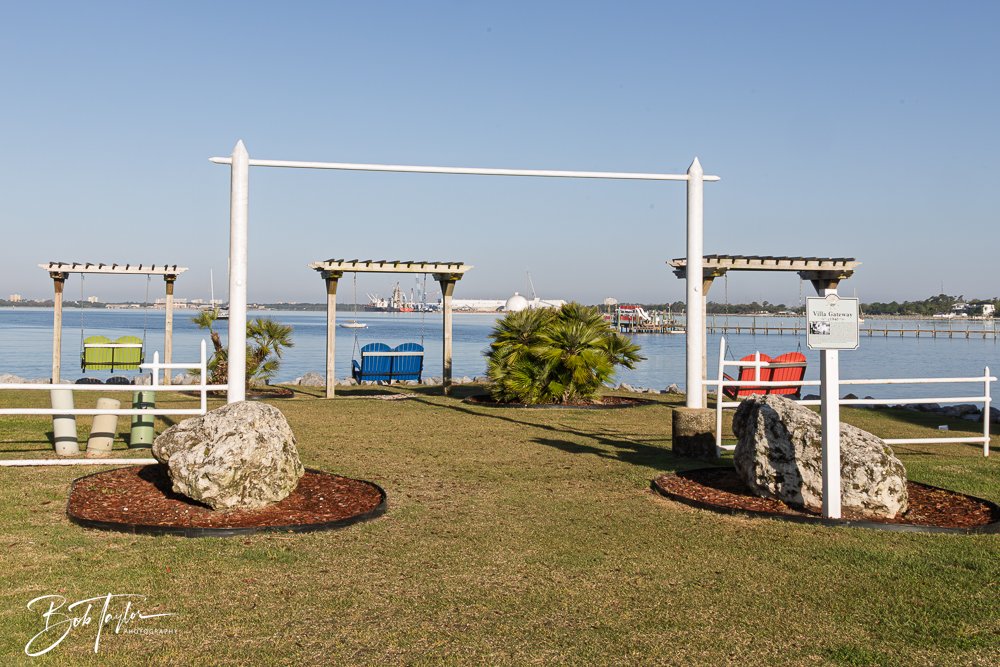
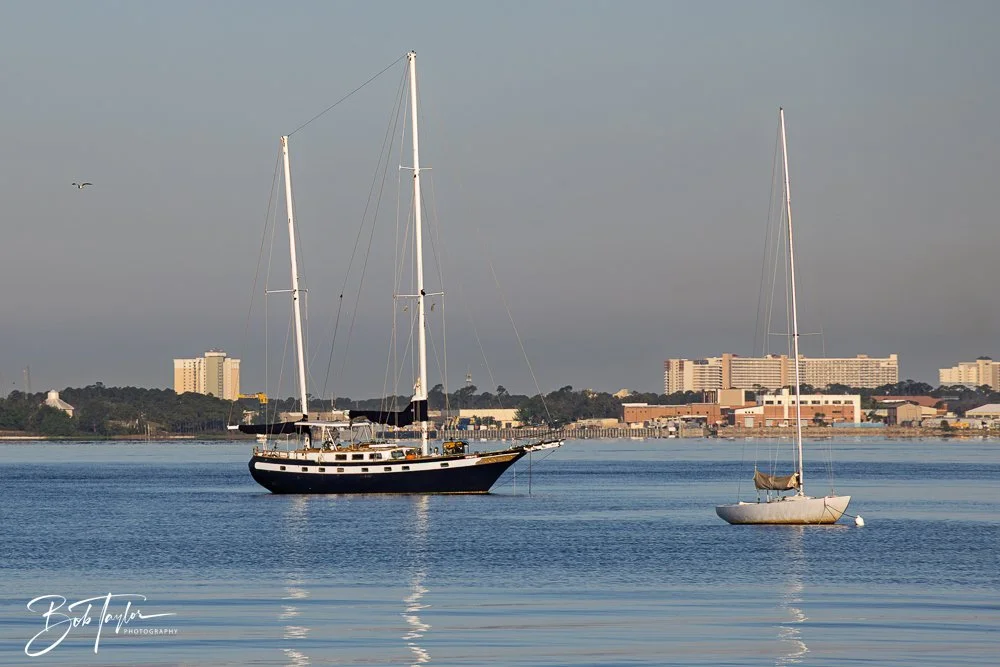
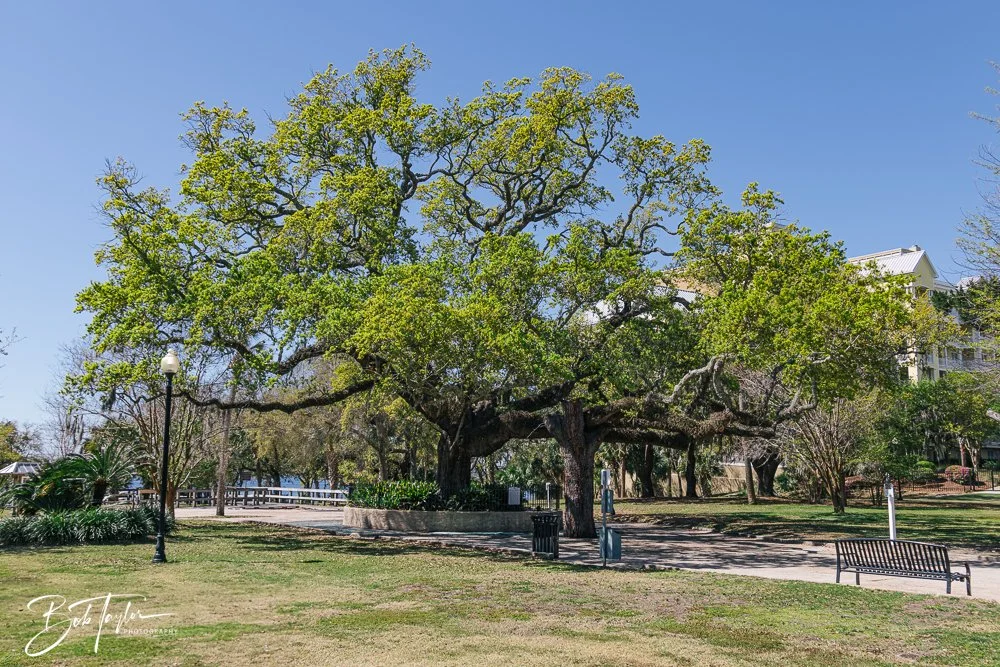
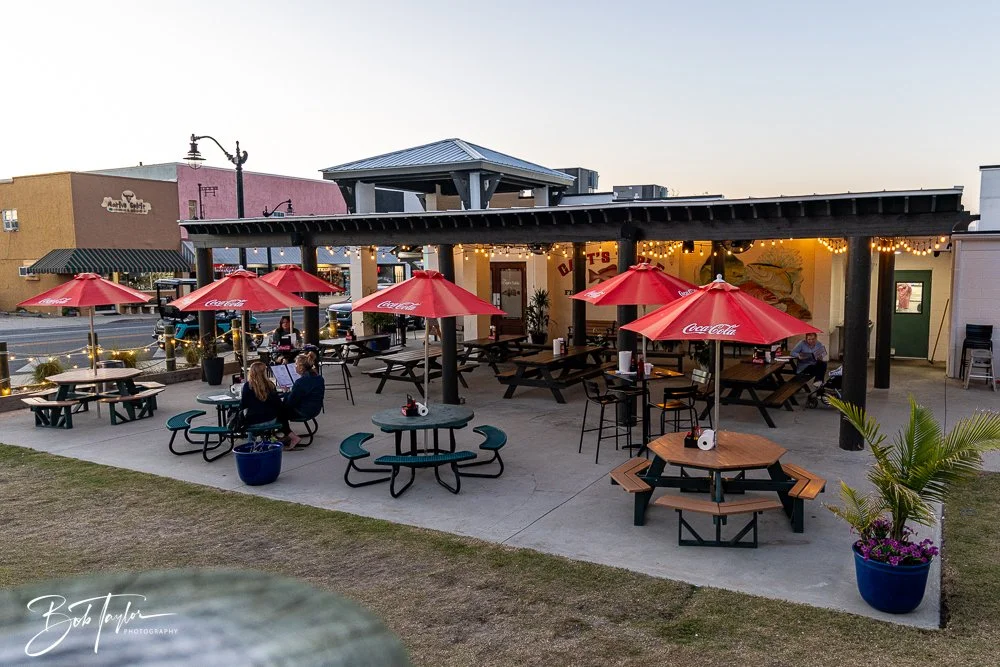
Today, St. Andrews is a waterfront community with a strong sense of identity—one shaped by 500 years of tides, storms, boats, people, and persistence.
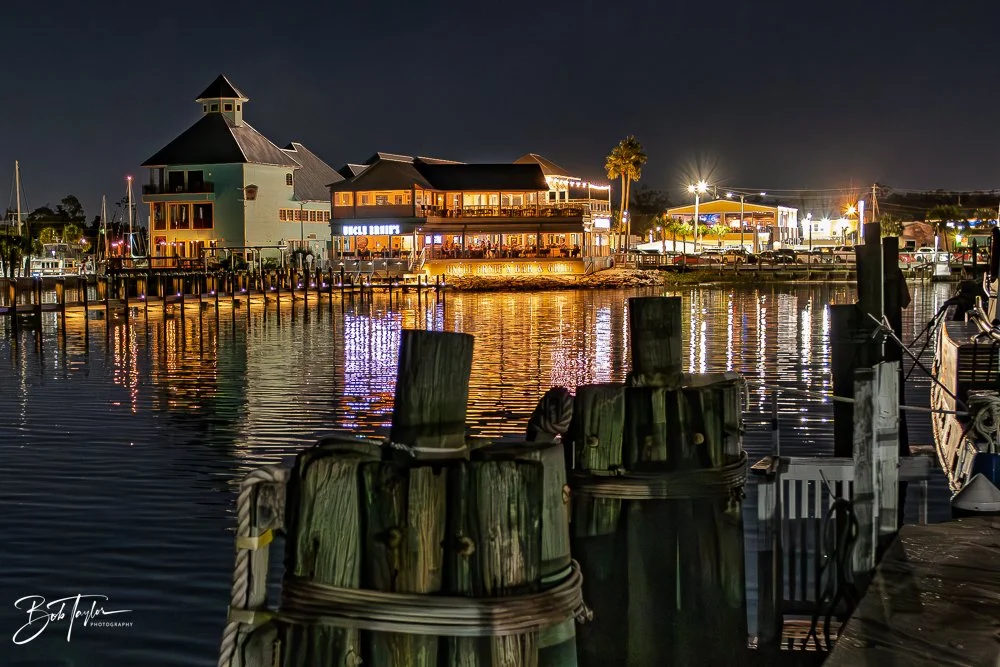

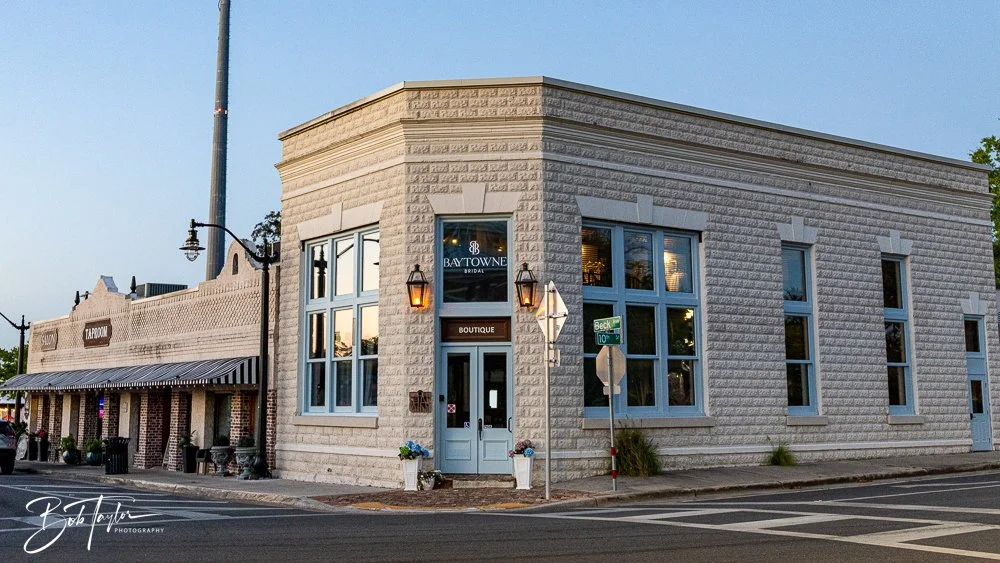
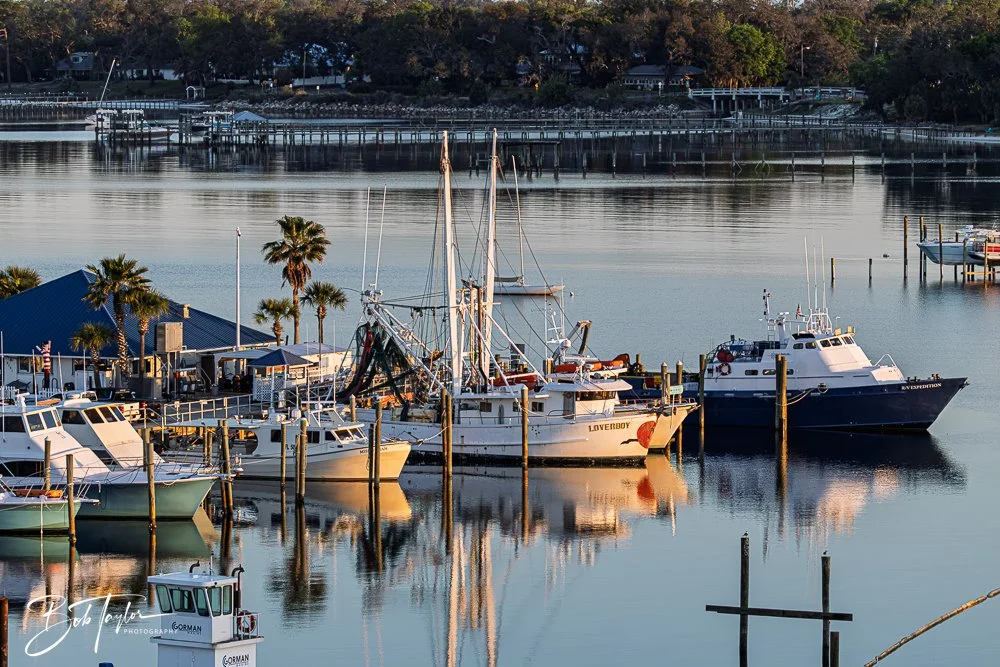
A Thriving Waterfront Village
Walk the district and you’ll find:
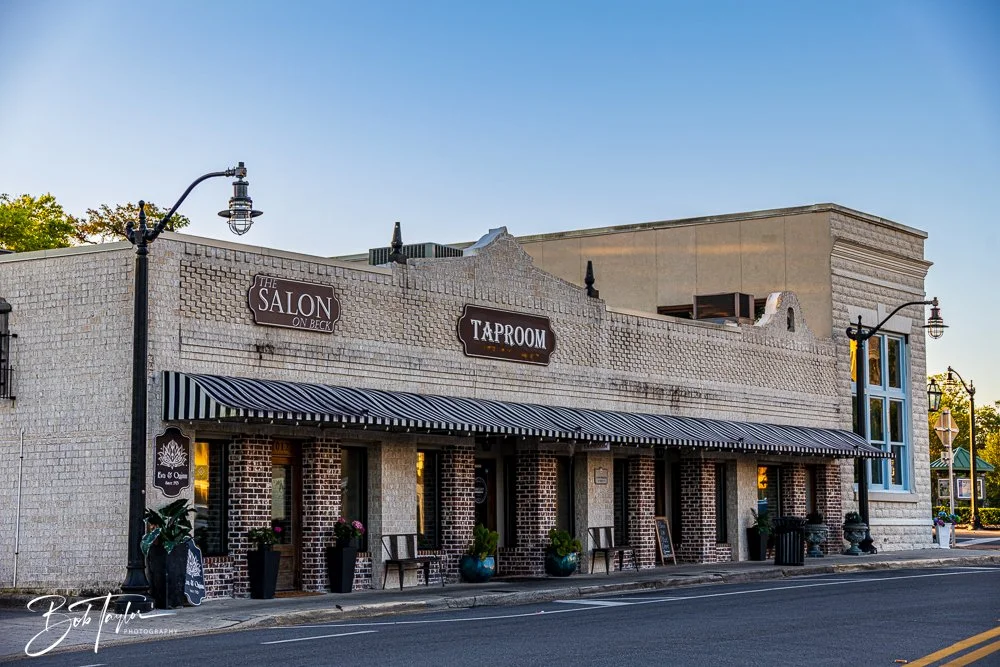
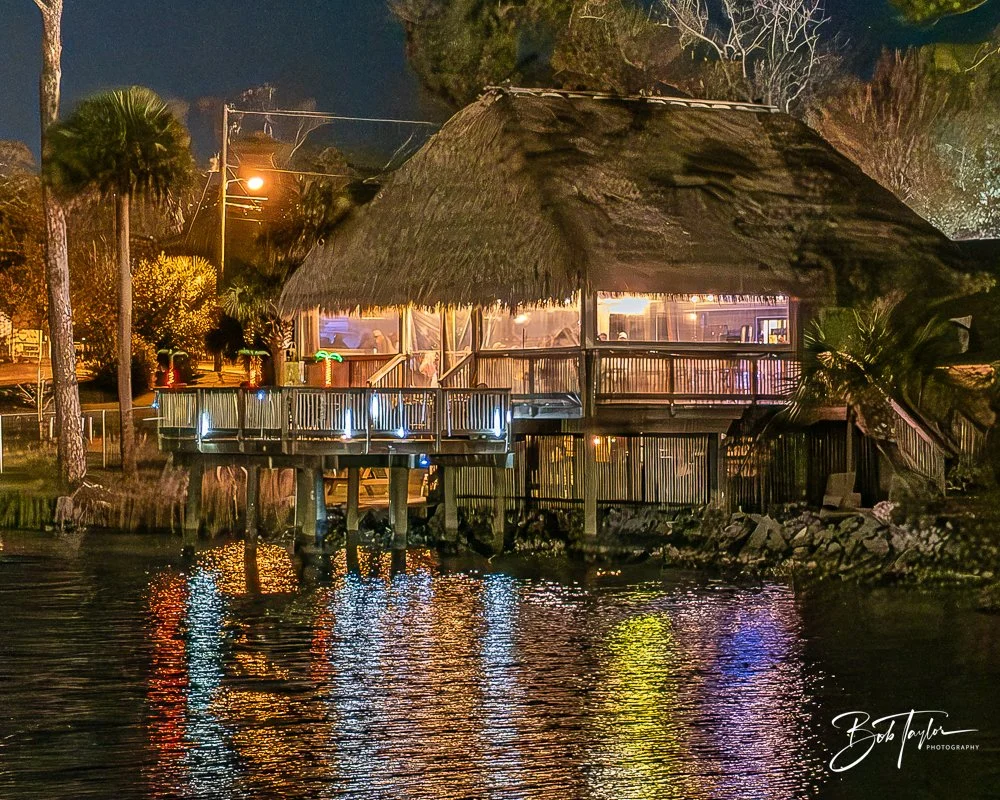
restaurants where the owner might be grilling out back
musicians tuning up for a night on the bay
small shops filled with handmade and carefully curated goods
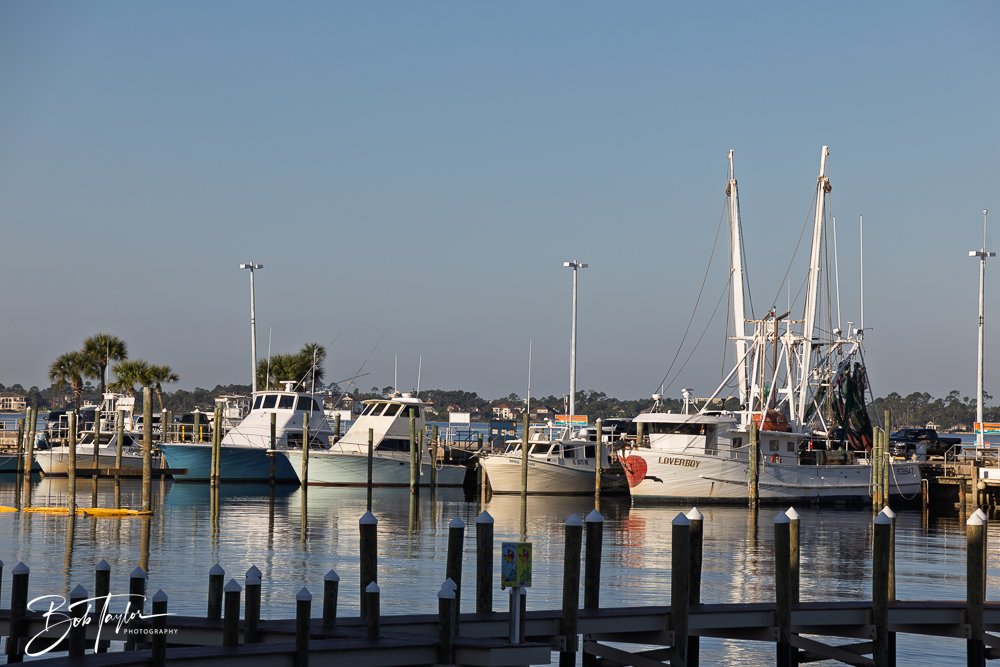
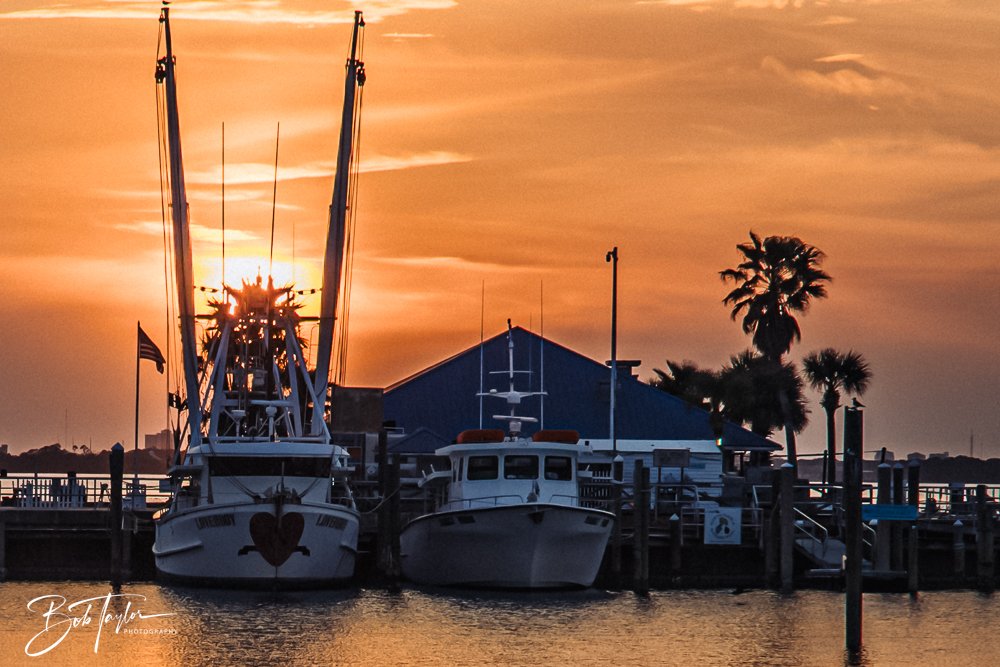
charter boats rumbling to life at dawn
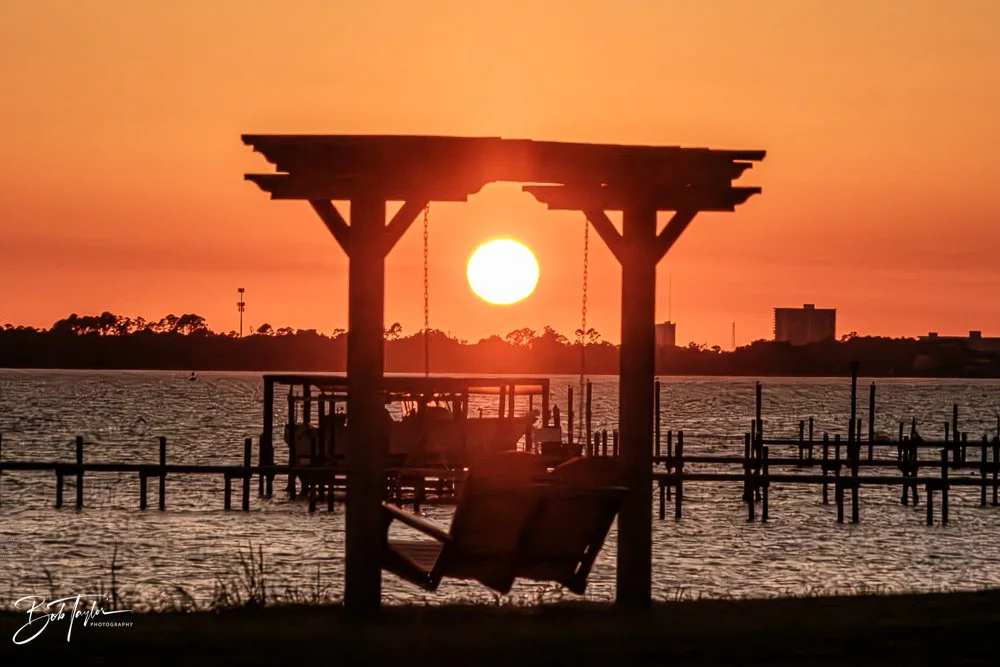
families watching sunsets from the marina
fisherman throwing their lines and nets over the marina rails
locals swapping stories with the same ease as the tides
It feels authentic because it is authentic.
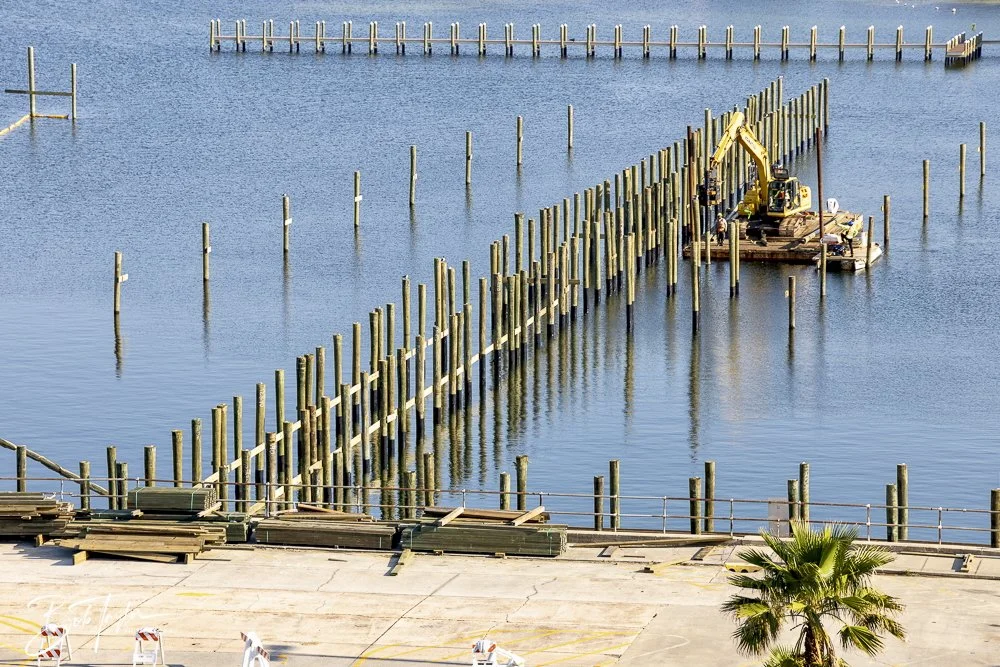
Rebuilding the Marina—A New Chapter
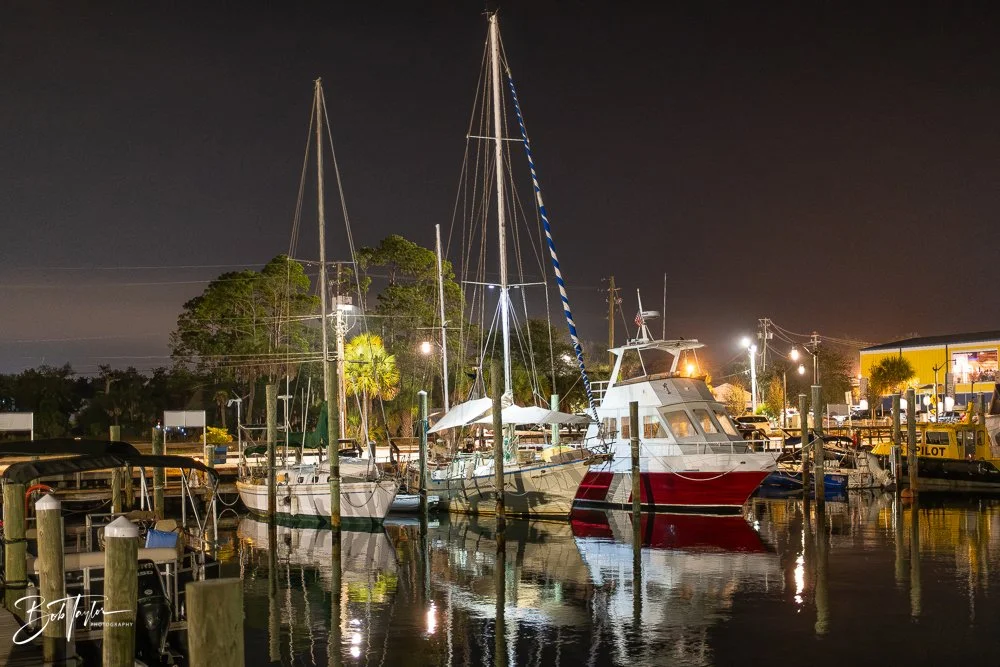
The ongoing marina redevelopment isn’t just construction—it’s the next chapter of a 100-year relationship between the community and the water.
New docks, walkways, and facilities are rising, but the soul remains the same:
a working, welcoming, lived-in waterfront shaped by the people who love it.
A Creative and Cultural Hub
St. Andrews today thrives as:
a culinary smorgasbord
a place to shop local not chains
a home for live music
a gathering place for locals
a destination for visitors seeking “real Florida”
a neighborhood with character you can’t engineer
It’s weird in the right ways.
Independent because that’s how it’s always been.
Salty because the bay is in everything—from the air to the attitude.

The Spirit That Never Quit
Looking back across the centuries, a clear pattern emerges:
St. Andrews survives because it adapts—but it never forgets who it is.
Spanish explorers named it.
Storms reshaped it.
Settlers built it.
Fleets powered it.
Bohemians revived it.
Hurricanes tested it.
And the people—generation after generation—kept bringing it back.
Today’s St. Andrews is the product of every chapter before it.
Salty, resilient, creative, independent, and deeply tied to the bay.
This is the St. Andrews that history made.
This is the St. Andrews we inherit.
And this is the St. Andrews that will keep evolving—one tide, one sunrise, one story at a time.